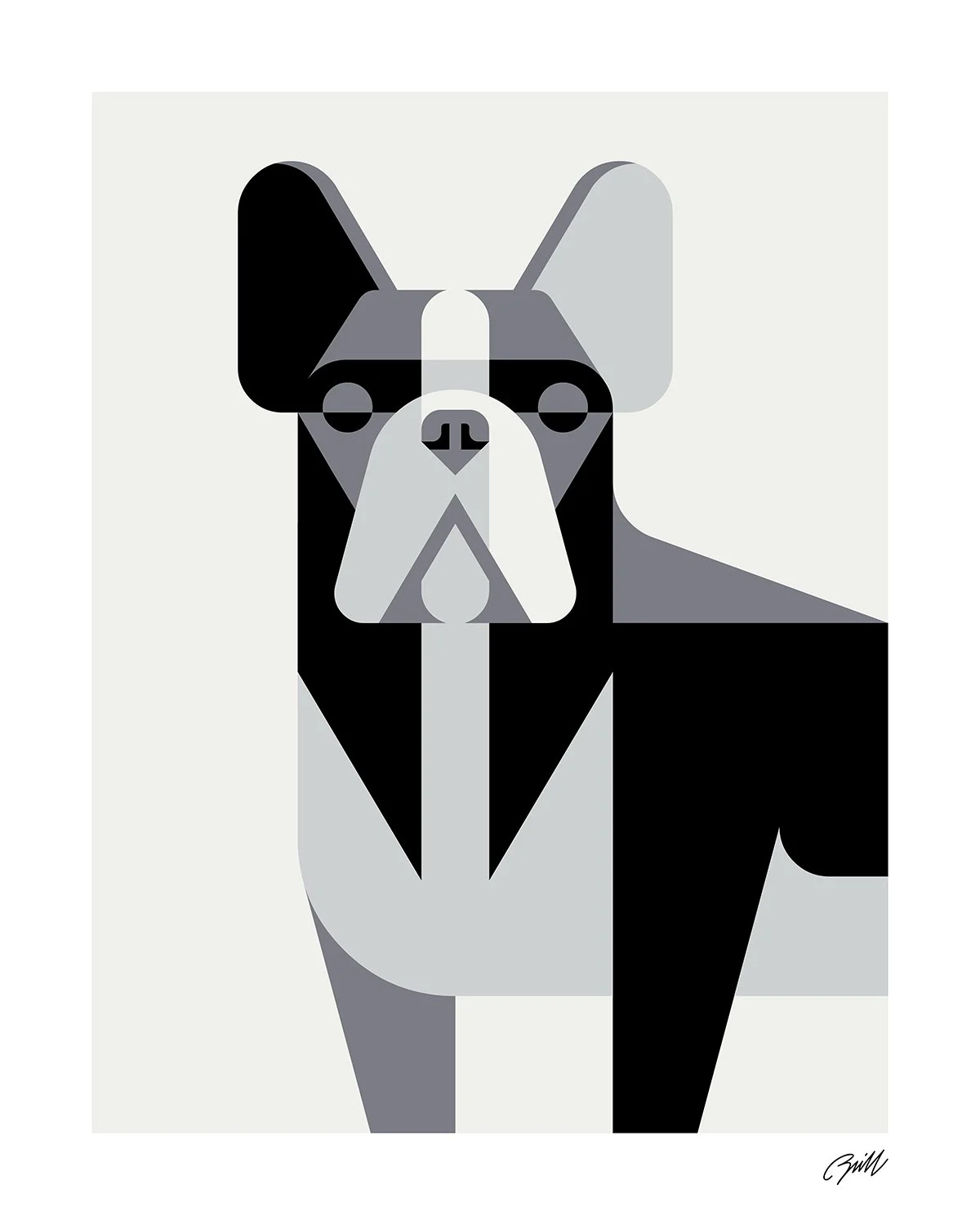
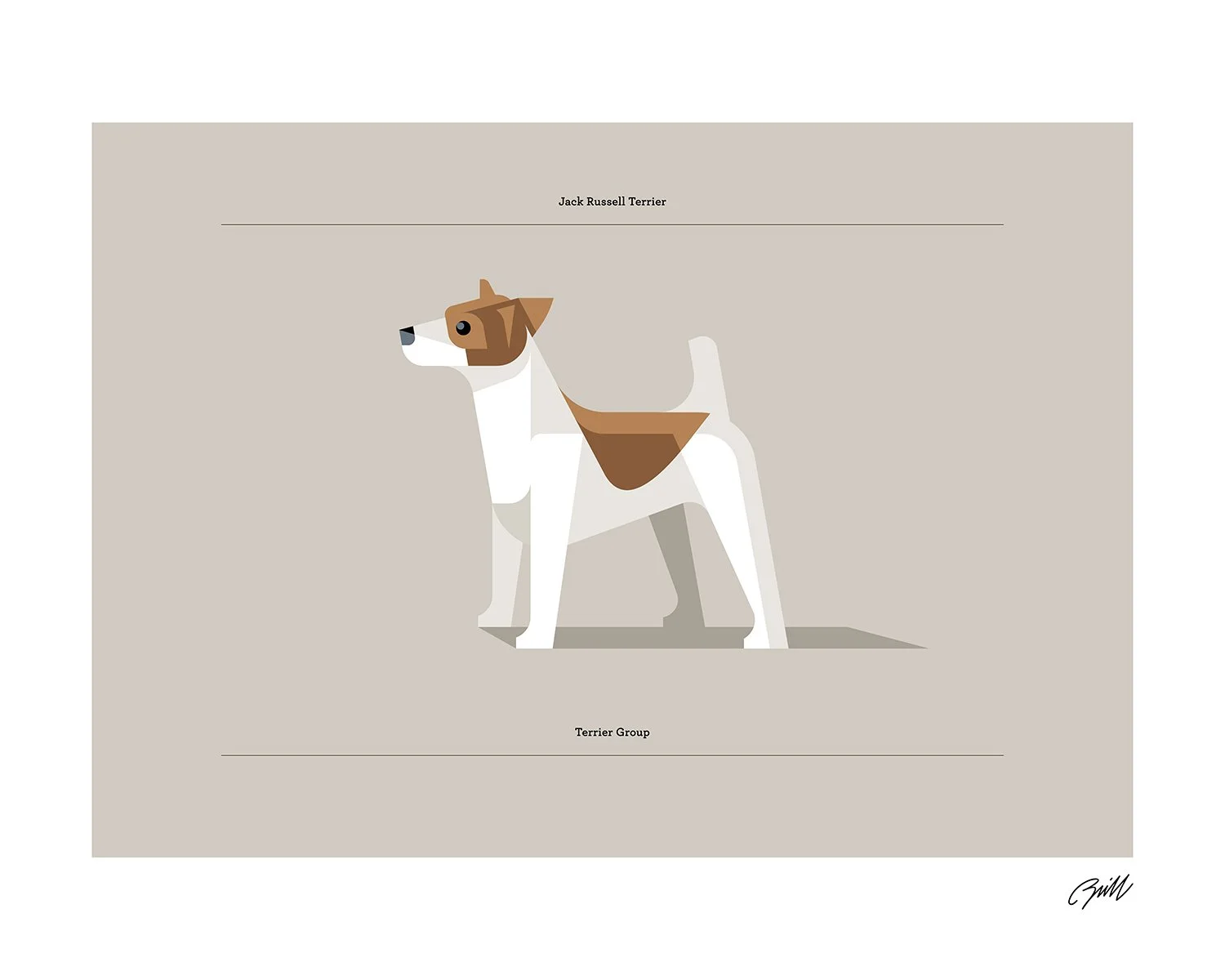
Image 1 of 2
 Image 2 of 2
Artwork
-
Open edition: Museum-quality giclée print on matte fine art paper (acid-free). Vibrant, long-lasting archival inks. Artist’s digitally printed signature.
-
10x7” (25x18 cm) — 16×12” (41x30 cm)
17x12” (43x30cm) — 12×16” (51x41 cm)
-
Frame not included. Print includes a white border for flexible framing options.
Fits Standard Frames
Works with most stock frames (slight adjustment may be needed)
Border allows trimming to fit your frame perfectly
Edge-to-edge fit with many matted frames
Border Benefits
Extra paper for mounting tabs
Accommodates wider or taller matte windows
Shows clean paper edge instead of print edge for a polished look
Pro Tip: For a perfect fit, pair with a custom matte in your stock frame.
Symbolism
The pug carries symbolic meaning shaped by its long history as a companion dog and its reputation for affectionate devotion. These three qualities define its most enduring symbolic associations.
-
Connection through presence Bred solely for human companionship rather than work, pugs embody the art of being present with others. This companionship symbolizes relationship built on shared time and emotional attunement—the kind of connection that values presence over productivity.
-
Finding lightness in daily life Pugs are known for their comical expressions and endearing antics that bring unexpected moments of levity. This humor symbolizes the capacity to find joy in the ordinary—a reminder that life's lighter moments often matter as much as its serious ones.
-
Satisfaction with what is Unlike high-energy working breeds, pugs are famously content with moderate activity and quiet companionship. This contentment symbolizes peace with the present moment—the ability to find fulfillment in simple pleasures rather than constant striving.
Fauna
-
The pug is one of the oldest dog breeds, with origins tracing back over 2,000 years to ancient China, where they were bred as companions for Chinese emperors and kept in luxurious accommodations. Dutch traders brought pugs to Europe in the 1500s, where they became favorites of European royalty. The breed became particularly associated with the House of Orange in the Netherlands and later gained popularity in England during the Victorian era. Unlike most breeds developed for specific work, pugs were refined purely as companion animals—a purpose they maintain today.
-
Common Name: Pug
Scientific Name: Canis lupus familiaris
Height: 25–33 cm (10–13 in) at the shoulder
Weight: 6–8 kg (14–18 lbs)
Lifespan: 13–15 years
Coat: Short, smooth, fine—sheds year-round
Color Variations: Fawn, black, silver, or apricot with black mask and ears
Build: Compact, square, cobby body with substantial bone structure
Distinctive Features: Flat face (brachycephalic), large round eyes, deeply wrinkled forehead, tightly curled tail -
Pugs are affectionate, charming, and even-tempered. They form strong attachments to their families and often shadow their people from room to room. While playful in short bursts, they're generally calm and adaptable to various living situations. Their sociable nature extends to strangers and other pets. Pugs are moderately stubborn but respond well to patient, positive training. Due to their flat faces, they're sensitive to heat and require careful monitoring in warm weather. Their expressive faces and tendency toward snoring and snorting add to their endearing character.
Collection
-
The Flora Fauna Collection began in 2007 with a series focused on birds and has continued to expand ever since. Conceived as an ongoing visual study rather than a closed series, the collection explores the essential forms, patterns, and identities of plants and animals from around the world.
-
Since its inception, the collection has been featured in print and online publications, including British Vanity Fair (holiday gift guide) and IDN Magazine, along with coverage from Dwell, Apartment Therapy, Design Milk, Grain Edit, Print Magazine, People of Print, OMG Posters, and Complex. These features highlighted both the artwork and the broader philosophy behind the collection.
-
Designed with modularity in mind, the Flora Fauna prints work especially well in small formats such as 5×7 and 8×10. They are intended to be grouped and expanded over time, allowing collectors to build personal compositions that grow organically. This makes them ideal for smaller spaces or for adding a refined, thoughtful accent to a wall without overwhelming it.
Recommended
Ideal for bedrooms, cozy reading nooks, and family spaces
Works well in grouped arrangements or as a warm accent piece
Complements traditional, transitional, and contemporary interiors
Shipping
-
Your print is made to order and ships from the closest production location to you, helping reduce delivery time and the chance of customs delays. Facilities are located across the U.S., Canada, Mexico, Brazil, Europe, the U.K., Australia, and Japan. Most orders ship from within the same region they’re delivered to.
If your country requires VAT (such as the U.K. or EU), it’s collected at checkout. U.S. customers are not charged VAT.
-
Production
2–5 business days for production fulfillment
Shipping
Estimated delivery (after production):
US: 3–8 business days
Canada / Europe / Australia: 5–12 business days
Other international locations: Timing varies by region based on local carriersThese are estimates and not guarantees — delivery times may vary during high-demand seasons.
-
VAT
For many international destinations (including the UK and EU), VAT is collected at checkout and included in your order total. This helps reduce unexpected charges on delivery.Customs Duties & Import Taxes
Some countries may still apply additional import charges, depending on:Local regulations
The value of your order
Whether your country applies duties to printed goods or framed products
These fees, if applied, are the responsibility of the recipient and are not included in the product or shipping cost.
-
Tariff rules vary by country and sometimes change year-to-year. Depending on your region, you may see customs tariffs on certain manufactured goods. When possible, your order ships from a regional facility to help minimize or avoid tariff costs.
-
The holiday season brings significantly increased demand across all shipping carriers. This can affect both production and transit times.
Here’s what you need to know:
Order earlier than usual to ensure holiday delivery.
Carriers may apply seasonal surcharges and experience longer processing times.
Delivery estimates are not guaranteed during peak holiday periods.
Orders placed in late December may arrive after the holiday, depending on your region.
Instead of strict cutoff dates (which vary globally and change year-to-year), the safest window is:
For December gift-giving, place orders as early in November as possible.