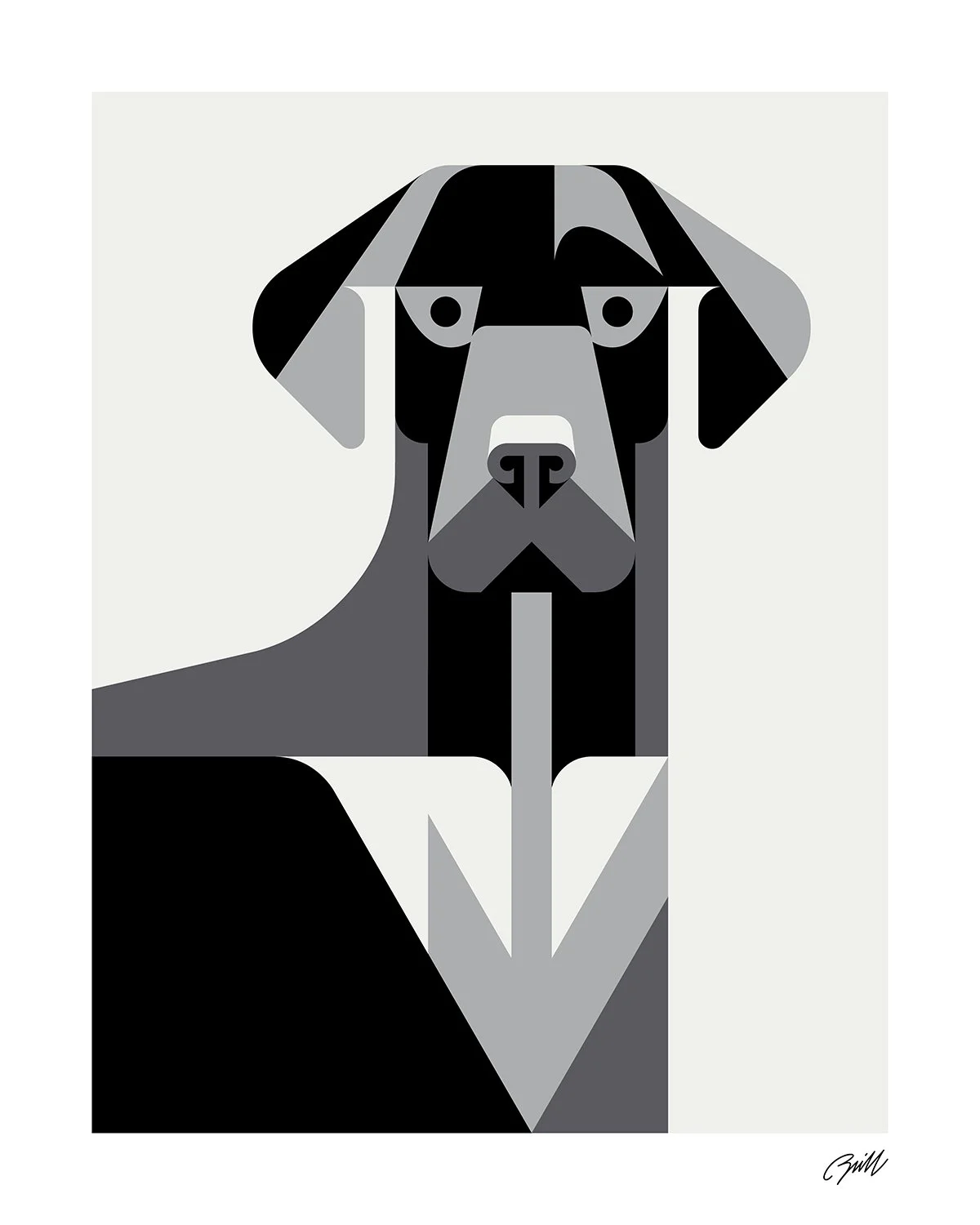
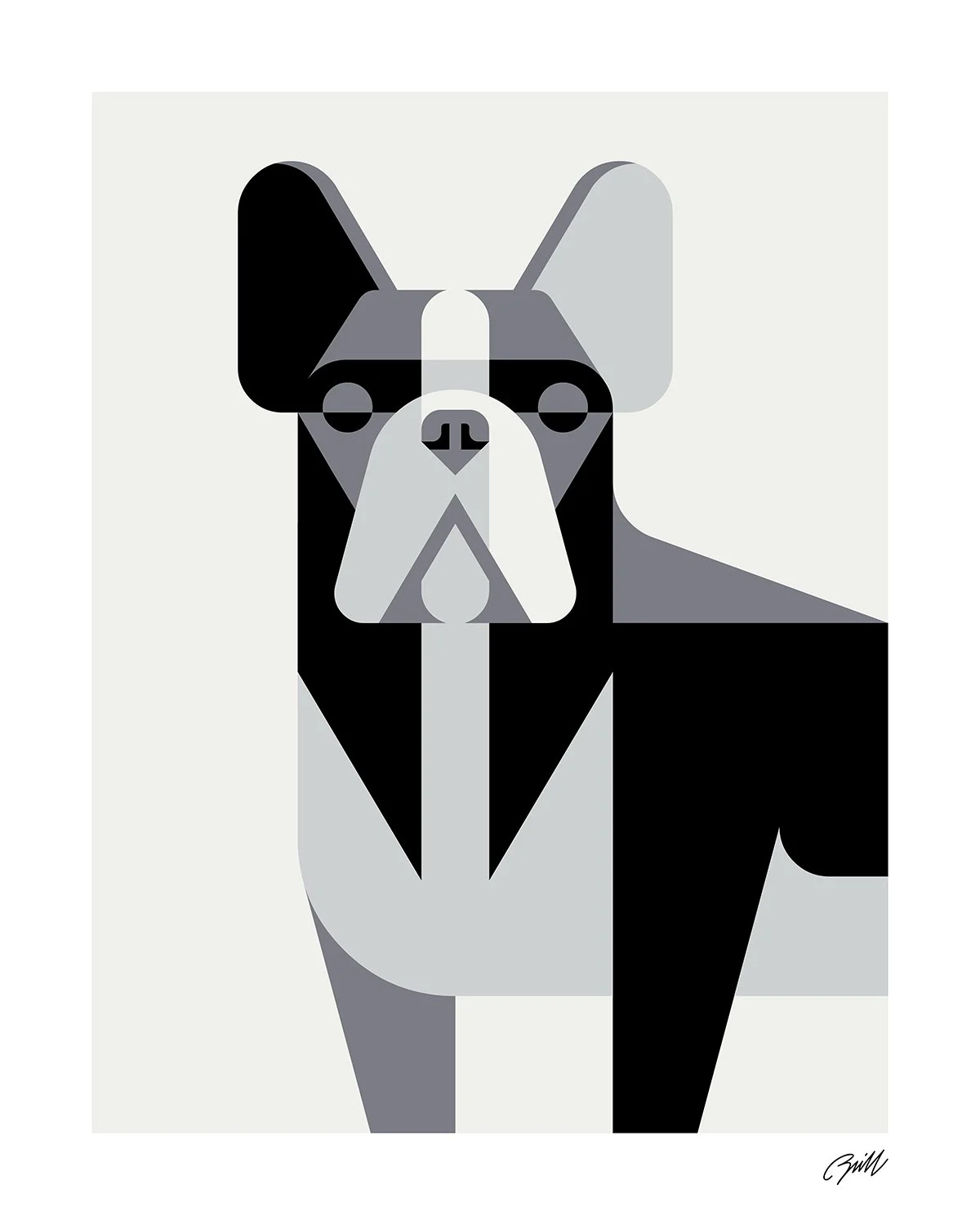
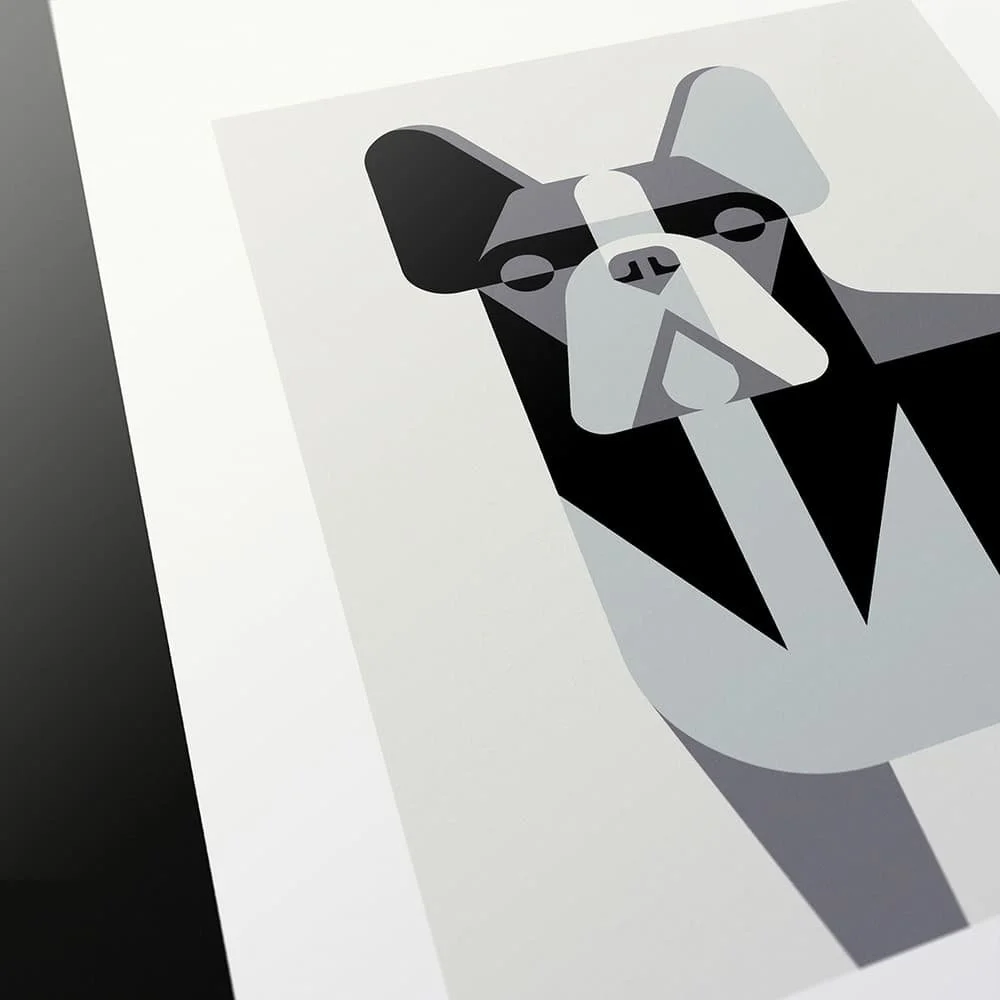
Image 1 of 2
 Image 2 of 2
Artwork
-
Open edition: Museum-quality giclée print on matte fine art paper (acid-free). Vibrant, long-lasting archival inks. Artist’s digitally printed signature.
-
8×10” (20×25 cm) — 12×14" (30×36 cm)
13×17" (33×43 cm) — 16×20" (41×51 cm)
16×20" (41×51 cm) — 18×24" (46×61 cm)
20×30" (51×76 cm) — 24×36" (61×91 cm)
-
Frame not included. Print includes a white border for flexible framing options.
Fits Standard Frames
Works with most stock frames (slight adjustment may be needed)
Border allows trimming to fit your frame perfectly
Edge-to-edge fit with many matted frames
Border Benefits
Extra paper for mounting tabs
Accommodates wider or taller matte windows
Shows clean paper edge instead of print edge for a polished look
Pro Tip: For a perfect fit, pair with a custom matte in your stock frame.
Symbolism
The polar bear carries profound meaning across Arctic indigenous cultures and modern interpretation. These three attributes represent its most enduring symbolic associations throughout history.
-
Commanding space through stillness
The polar bear symbolizes strength, courage, and resilience, rooted deeply in Inuit culture as a symbol of the patience and determination needed to survive harsh climates. In vast Arctic landscapes, it doesn't need speed or display to assert itself—it simply is. This represents the ability to hold space calmly and confidently, a quality reflected in how Inuit shamans call upon the polar bear's spiritual power. The bear moves with purpose rather than urgency, demonstrating that influence doesn't always come from action or noise. Sometimes strength is expressed by standing still and being fully present in the moment.
-
Endurance shaped by environment
Living in one of Earth's harshest environments, the polar bear has become a symbol of resilience, teaching us to find inner fortitude and persevere through difficulties. Polar bears face blizzards and subzero temperatures, surviving through patience, timing, and efficiency rather than force. They can fast for months when food is scarce, and swim for hours across open water between ice floes. Symbolically, the polar bear represents the capacity to endure difficult conditions with composure, adjusting to circumstances without losing core strength. It reminds us that survival often requires adaptation, not just power.
-
Focus on an open, uncluttered space
The polar bear exists within wide, minimal landscapes where distractions are few and awareness is critical. Their keen sense of smell can detect seals from over a mile away, even beneath ice and snow. This has made it a symbol of clarity and focused attention—seeing what matters and ignoring what doesn't. They wait patiently at seal breathing holes for extended periods, demonstrating strategic stillness. In this sense, the polar bear reflects the value of mental clarity, restraint, and deliberate decision-making over constant reaction. It teaches us to observe carefully, wait for the right moment, and act with precision.
Fauna
-
Polar bears evolved from brown bears roughly 150,000 to 600,000 years ago, adapting to become the Arctic's apex predator. For thousands of years, Indigenous Arctic peoples—particularly the Inuit—have held polar bears in deep reverence as symbols of power, endurance, and spiritual wisdom. Hunters approached them with profound respect, believing the bear possessed the ability to navigate between physical and spiritual worlds.
The name Ursus maritimus means "sea bear," reflecting their life on Arctic ice and remarkable swimming ability. Today, polar bears have become powerful symbols of both wilderness resilience and environmental vulnerability as climate change transforms their Arctic home.
-
Common Name: Polar Bear
Scientific Name: Ursus maritimus ("sea bear" in Latin)
Height: Up to 3 meters (10 feet) when standing on hind legs
Weight: Males 350–800 kg (770–1,760 lbs), females 150–295 kg (330–650 lbs)
Lifespan: 25–30 years in the wild
Habitat: Arctic sea ice and coastal regions
Range: Arctic Circle—Canada, Greenland, Russia, Alaska (USA), and Norway (Svalbard)
Diet: Carnivore (primarily ringed and bearded seals)
Conservation Status: Vulnerable (IUCN)
Population: Approximately 26,000 individuals worldwide across 19 subpopulationsDistinctive Features: Black skin beneath white (actually translucent, hollow) fur that reflects light. Thick layer of blubber up to 4 inches provides insulation. Large, slightly webbed paws distribute weight across ice and aid in swimming. Keen sense of smell can detect prey over a mile away, even beneath snow and ice.
-
Polar bears spend much of their lives traveling across sea ice in search of seals. Rather than chasing prey, they rely on patience, often waiting silently near seal breathing holes for extended periods. This energy-conserving strategy is essential in an environment where food can be scarce. They move deliberately and efficiently, shaped by vast distances, extreme temperatures, and the need for restraint rather than speed. Generally solitary animals, they come together briefly for mating or when food sources overlap. Their presence is commanding, not through aggression but through composed, purposeful existence.
Polar bears are the largest land carnivores on Earth, yet their survival depends on adaptability rather than dominance. Unlike other bears, polar bears don't hibernate—winter is their prime hunting season when more ice provides better access to seals. They can swim hundreds of miles between ice floes, demonstrating remarkable endurance. Cubs are born weighing little more than half a kilogram and stay with their mothers for over two years, learning survival behaviors in one of Earth's most unforgiving environments. As climate change reduces sea ice coverage, polar bears are forced to adapt, showing resilience in the face of unprecedented challenges.
Polar bears' keen sense of smell allows them to detect seals from over a mile away, even beneath snow and ice. This heightened awareness is critical for survival in an environment where opportunities are fleeting. They wait at breathing holes with focused patience, then act with decisive precision when seals surface. They can hold their breath underwater for up to 2 minutes while hunting. Their hunting strategy reflects perfect timing and unwavering attention—qualities that demonstrate the power of focused observation. Encounters between adults are typically cautious and measured, with displays used to avoid unnecessary conflict. In every behavior, clarity of purpose guides action.
Recommended
Modern, contemporary, Scandinavian, and minimalist interiors.
Light to cool-toned walls (whites, grays, soft blues, pale greens).
Offices, studies, and living spaces valuing focus and calm presence.
Shipping
-
Your print is made to order and ships from the closest production location to you, helping reduce delivery time and the chance of customs delays. Facilities are located across the U.S., Canada, Mexico, Brazil, Europe, the U.K., Australia, and Japan. Most orders ship from within the same region they’re delivered to.
If your country requires VAT (such as the U.K. or EU), it’s collected at checkout. U.S. customers are not charged VAT.
-
Production
2–5 business days for production fulfillment
Shipping
Estimated delivery (after production):
US: 3–8 business days
Canada / Europe / Australia: 5–12 business days
Other international locations: Timing varies by region based on local carriersThese are estimates and not guarantees — delivery times may vary during high-demand seasons
-
VAT
For many international destinations (including the UK and EU), VAT is collected at checkout and included in your order total. This helps reduce unexpected charges on delivery.Customs Duties & Import Taxes
Some countries may still apply additional import charges, depending on:Local regulations
The value of your order
Whether your country applies duties to printed goods or framed products
These fees, if applied, are the responsibility of the recipient and are not included in the product or shipping cost.
-
Tariff rules vary by country and sometimes change year-to-year. Depending on your region, you may see customs tariffs on certain manufactured goods. When possible, your order ships from a regional facility to help minimize or avoid tariff costs.
-
The holiday season brings significantly increased demand across all shipping carriers. This can affect both production and transit times.
Here’s what you need to know:
Order earlier than usual to ensure holiday delivery.
Carriers may apply seasonal surcharges and experience longer processing times.
Delivery estimates are not guaranteed during peak holiday periods.
Orders placed in late December may arrive after the holiday, depending on your region.
Instead of strict cutoff dates (which vary globally and change year-to-year), the safest window is:
For December gift-giving, place orders as early in November as possible.