Image 1 of 2
 Image 2 of 2
Artwork
-
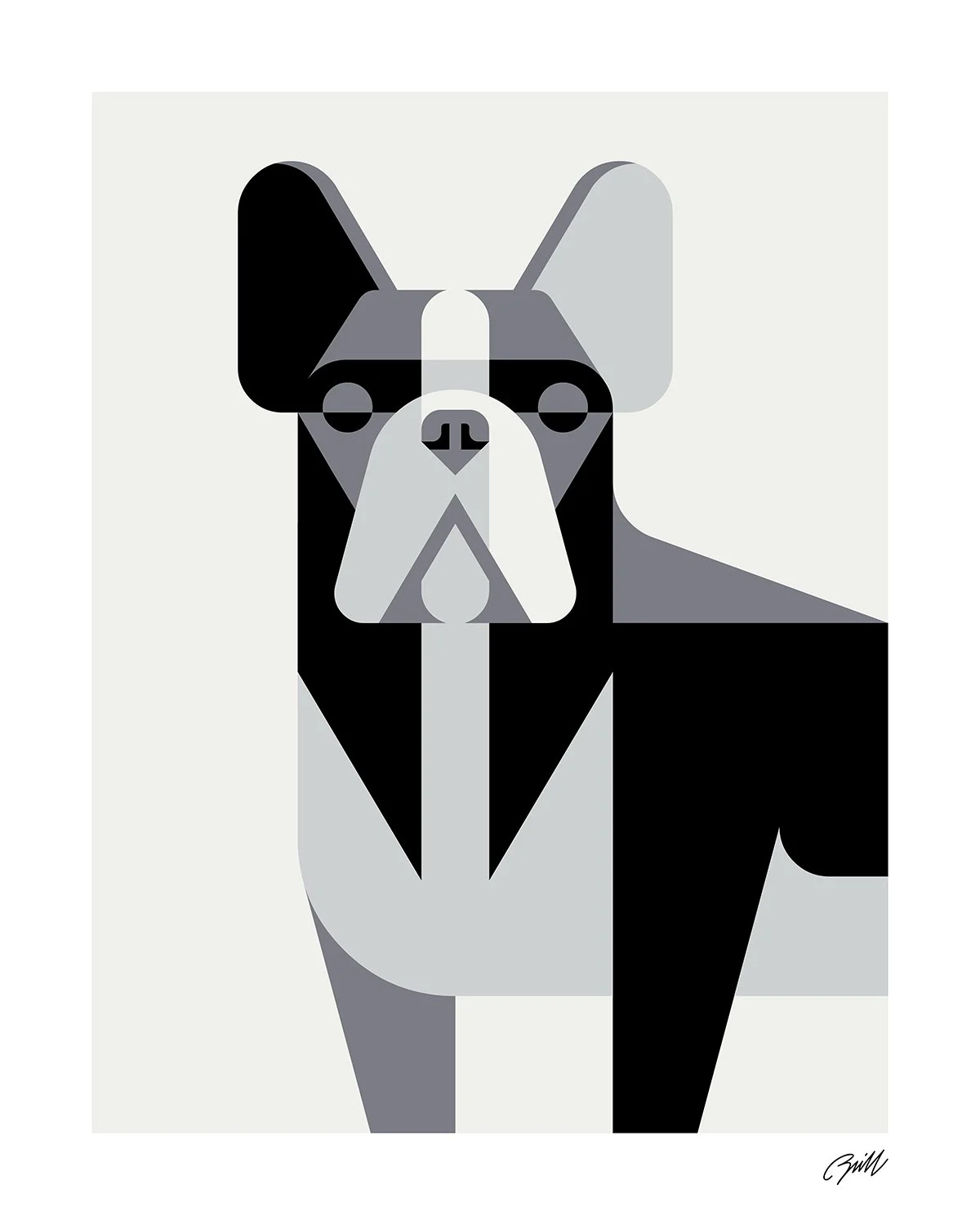
Open edition: Museum-quality giclée print on matte fine art paper (acid-free). Vibrant, long-lasting archival inks. Artist’s digitally printed signature.
-
8×10” (20×25 cm) — 12×14" (30×36 cm)
13×17" (33×43 cm) — 16×20" (41×51 cm)
-
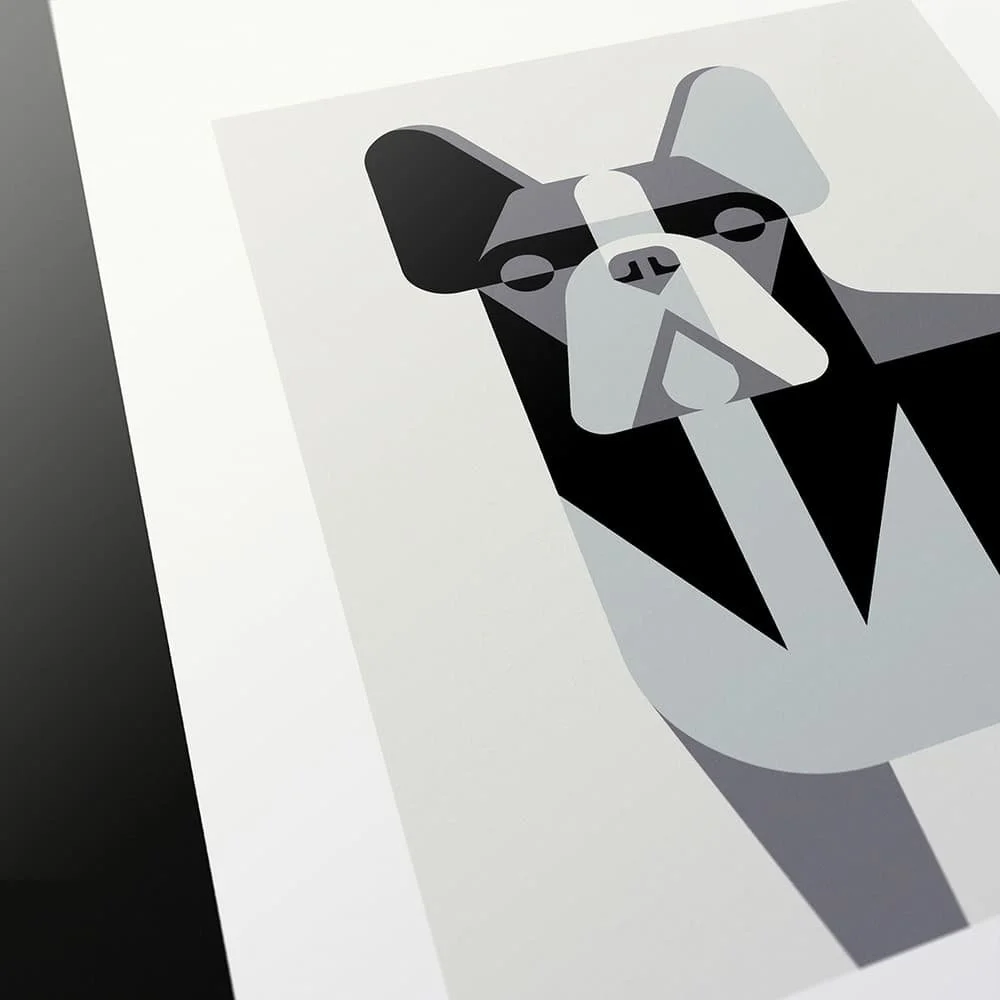
Frame not included. Print includes a white border for flexible framing options.
Fits Standard Frames
Works with most stock frames (slight adjustment may be needed)
Border allows trimming to fit your frame perfectly
Edge-to-edge fit with many matted frames
Border Benefits
Extra paper for mounting tabs
Accommodates wider or taller matte windows
Shows clean paper edge instead of print edge for a polished look
Pro Tip: For a perfect fit, pair with a custom matte in your stock frame.
Symbolism
The Labrador Retriever carries deep meaning across many cultures and traditions. These three attributes represent its most resonant symbolic interpretations throughout history.
-
Unwavering devotion to family and home
The Labrador symbolizes unwavering loyalty and deep emotional bonds, forming connections that touch the very core of companionship. Their devotion extends beyond obedience to become a profound dedication—evident in enthusiastic greetings, constant presence during difficult times, and eagerness to participate in family life. This loyalty is not just limited to humans but extends to other animals, showing that true devotion transcends circumstances. It's about showing up consistently, maintaining bonds through both joy and hardship, and choosing commitment over convenience.
-
Finding happiness in simple moments
Labradors embody a zest for life that's infectious, radiating happiness and enthusiasm in every wagging tail and enthusiastic bark. Their playful and cheerful attitude reflects the spiritual traits of joy and optimism, reminding us that happiness isn't found in grand gestures but in daily presence and shared experiences. They exude an infectious joy that can brighten even the darkest of days, symbolizing the ability of playfulness to break through hardship and bring light into our lives. This quality speaks to maintaining enthusiasm for life's ordinary moments—a walk, a meal shared, time spent together.
-
Natural desire to help
Labs feel fulfillment from working hard and serving a purpose or person. Their desire to be helpful and eagerness to please represent the spiritual trait of service. Originally bred to work alongside fishermen, today they excel as service dogs, guide dogs, therapy animals, and search-and-rescue dogs. Their tireless service symbolizes the spiritual virtues of altruism, compassion, and self-sacrifice. This isn't about seeking recognition—it's about finding purpose in being useful, taking satisfaction in contributing to something larger, and approaching responsibilities with genuine enthusiasm rather than obligation.
Fauna
-
The Labrador Retriever began in Newfoundland, where early fishing dogs—called St. John’s water dogs—worked retrieving nets and fish from cold waters. In the 1800s, English hunters brought them to Britain and refined them into the modern retrieving breed.
Recognized by the UK Kennel Club in 1903 and the AKC in 1917, Labs went on to become one of the world’s most trusted companions and working dogs.
-
Common Name: Labrador Retriever
Scientific Name: Canis lupus familiaris (domestic dog)
Height: Males 22.5–24.5 inches (57–62 cm), females 21.5–23.5 inches (55–60 cm)
Weight: Males 65–80 lbs (29–36 kg), females 55–70 lbs (25–32 kg)
Lifespan: 11–13 years average
Origin: Newfoundland, Canada, developed from St. John's water dogs in the 1800s
Colors: Black, yellow (cream to fox-red), and chocolate
Purpose: Originally bred as fishing and hunting companions, now popular as family pets and service dogsDistinctive Features: Thick, water-repellent double coat and well-known "otter tail". Webbed paws aid in swimming. Broad head with expressive eyes and drop ears. About 25% of Labradors have a genetic mutation affecting satiety, making them highly food-driven and prone to weight gain.
-
Labradors are affectionate toward children, other pets, and even strangers, yet they form especially deep bonds with their families. They integrate themselves fully into household dynamics, seeking to participate in activities and remain close to their people. They do not do well as kennel dogs—they want to be with people. Their presence during both celebrations and challenges demonstrates devotion that goes beyond trained obedience.
With strong retrieving instincts, Labs often carry toys around, turning ordinary moments into play. They're born water dogs with a love for swimming, approaching physical activity with boundless enthusiasm. Their natural exuberance requires training at an early age, as their joy can sometimes manifest as pulling on leashes or energetic greetings. This zest for life remains consistent throughout their years.
Labradors are intelligent and eager to please, partly from their desire to work with people. They often go through specialized training to become service dogs or participate in search and rescue, and they also make great therapy dogs. They require 1–2 hours of daily exercise and need jobs to do, particularly retrieving. Without purpose and activity, they can become destructive. Their fulfillment comes from having meaningful work and contributing to their family's life.
Recommended
Complements modern, minimal, and Scandinavian interiors with its clean geometric style.
A meaningful piece for dog lovers, families, and anyone who appreciates loyal companionship.
Works beautifully in living rooms, studios, offices, and entryways as a calm, design-forward focal point.
Shipping
-
Your print is made to order and ships from the closest production location to you, helping reduce delivery time and the chance of customs delays. Facilities are located across the U.S., Canada, Mexico, Brazil, Europe, the U.K., Australia, and Japan. Most orders ship from within the same region they’re delivered to.
If your country requires VAT (such as the U.K. or EU), it’s collected at checkout. U.S. customers are not charged VAT.
-
Production
2–5 business days for production fulfillment
Shipping
Estimated delivery (after production):
US: 3–8 business days
Canada / Europe / Australia: 5–12 business days
Other international locations: Timing varies by region based on local carriersThese are estimates and not guarantees — delivery times may vary during high-demand seasons
-
VAT
For many international destinations (including the UK and EU), VAT is collected at checkout and included in your order total. This helps reduce unexpected charges on delivery.Customs Duties & Import Taxes
Some countries may still apply additional import charges, depending on:Local regulations
The value of your order
Whether your country applies duties to printed goods or framed products
These fees, if applied, are the responsibility of the recipient and are not included in the product or shipping cost.
-
Tariff rules vary by country and sometimes change year-to-year. Depending on your region, you may see customs tariffs on certain manufactured goods. When possible, your order ships from a regional facility to help minimize or avoid tariff costs.
-
The holiday season brings significantly increased demand across all shipping carriers. This can affect both production and transit times.
Here’s what you need to know:
Order earlier than usual to ensure holiday delivery.
Carriers may apply seasonal surcharges and experience longer processing times.
Delivery estimates are not guaranteed during peak holiday periods.
Orders placed in late December may arrive after the holiday, depending on your region.
Instead of strict cutoff dates (which vary globally and change year-to-year), the safest window is:
For December gift-giving, place orders as early in November as possible.