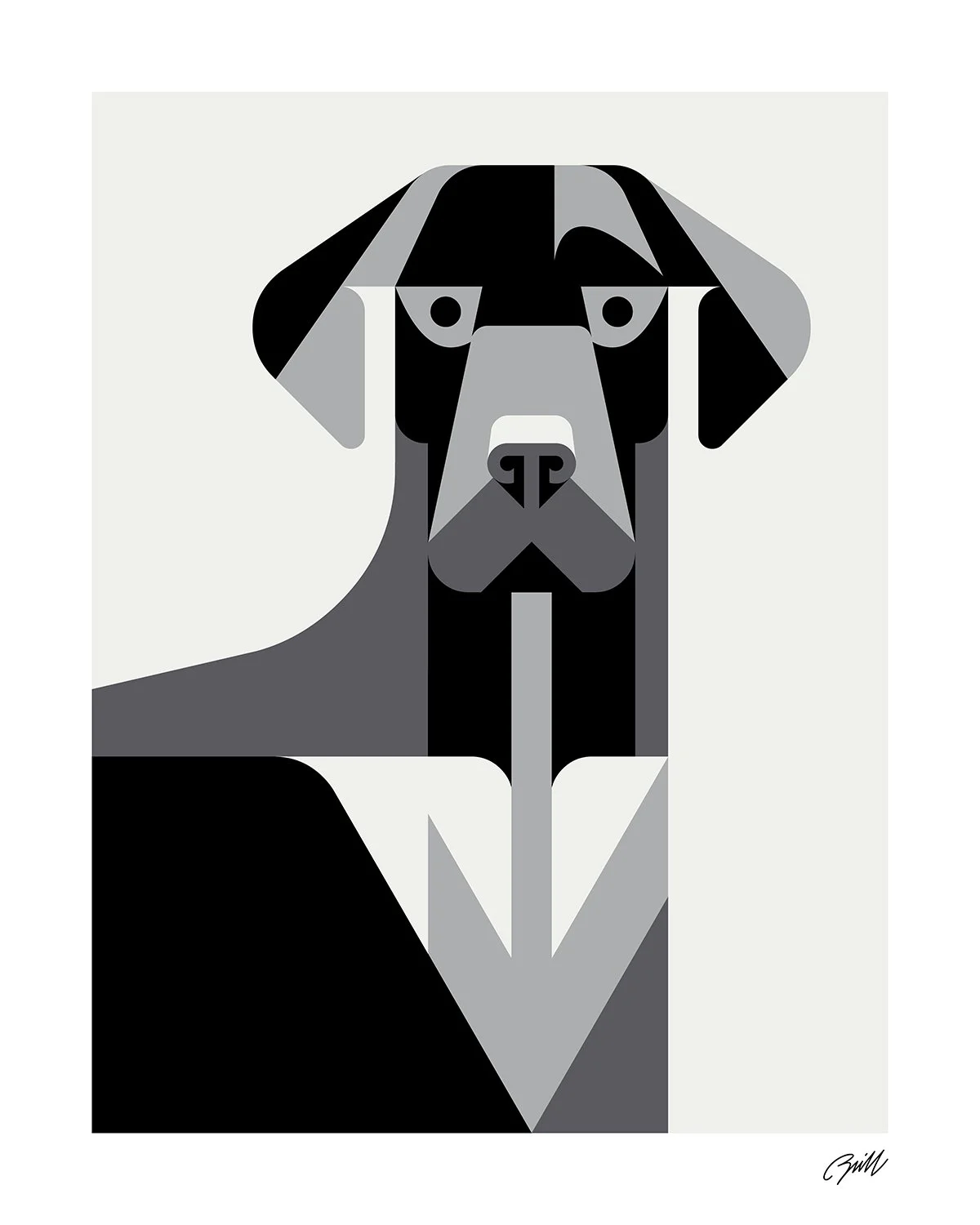
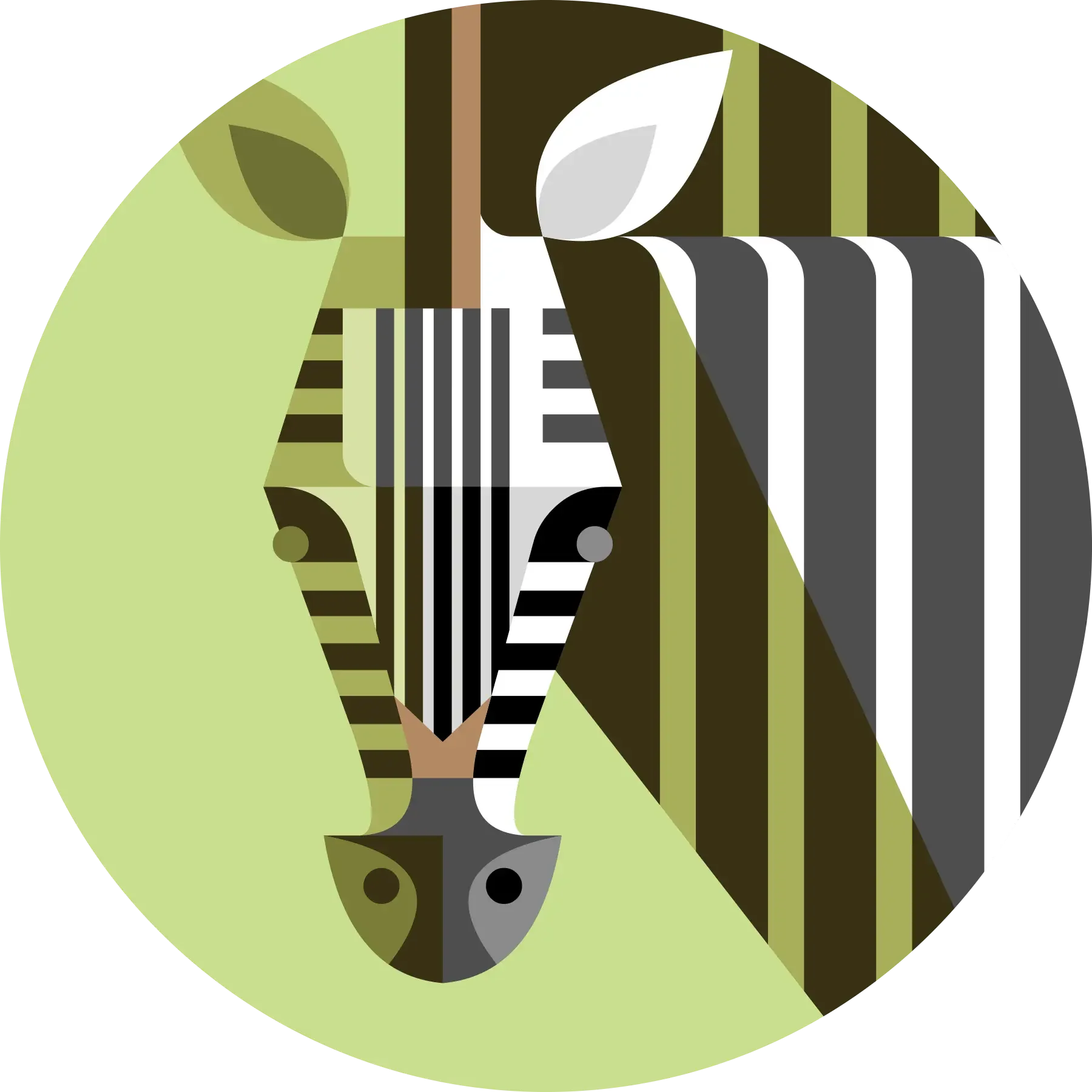
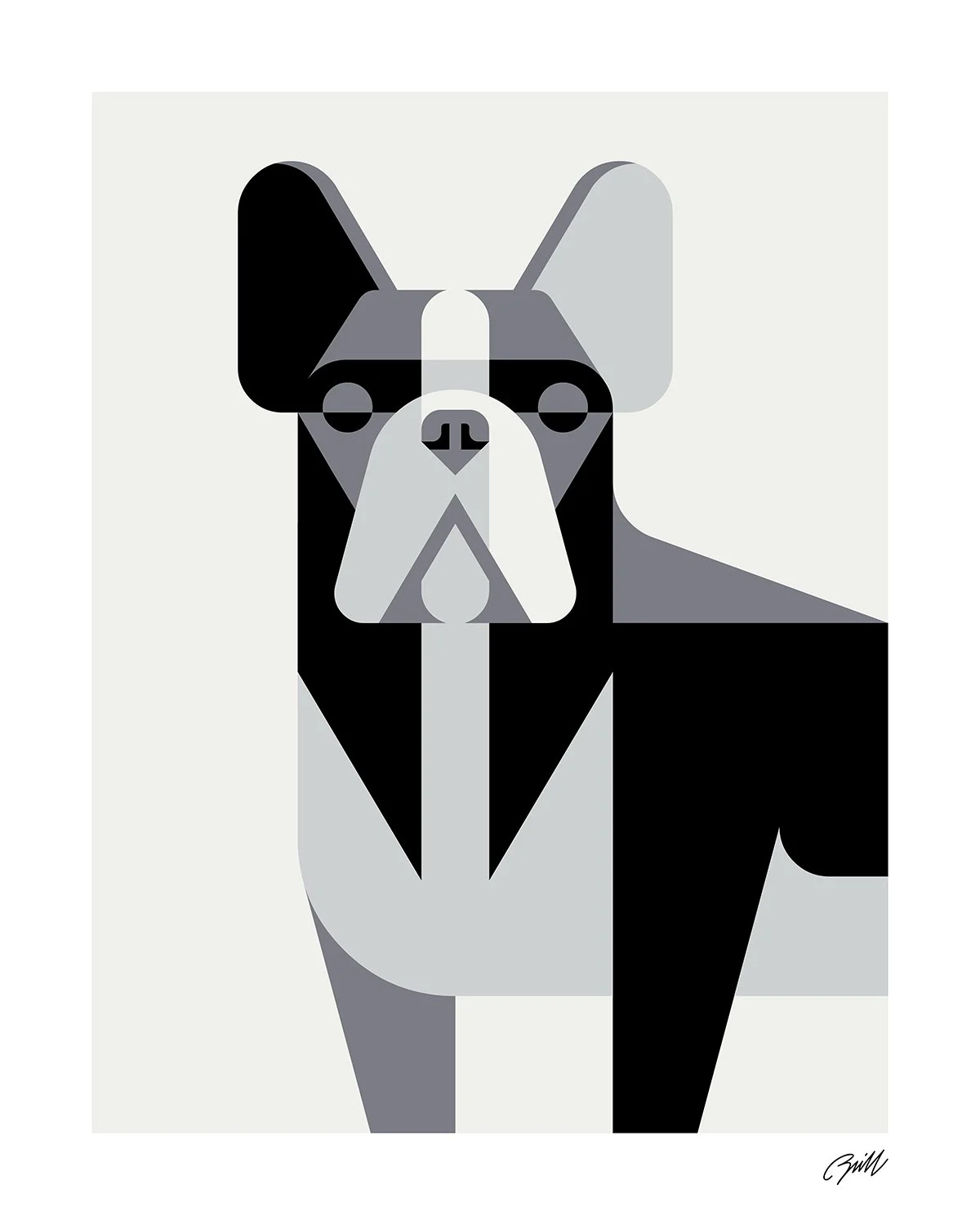
Image 1 of 2
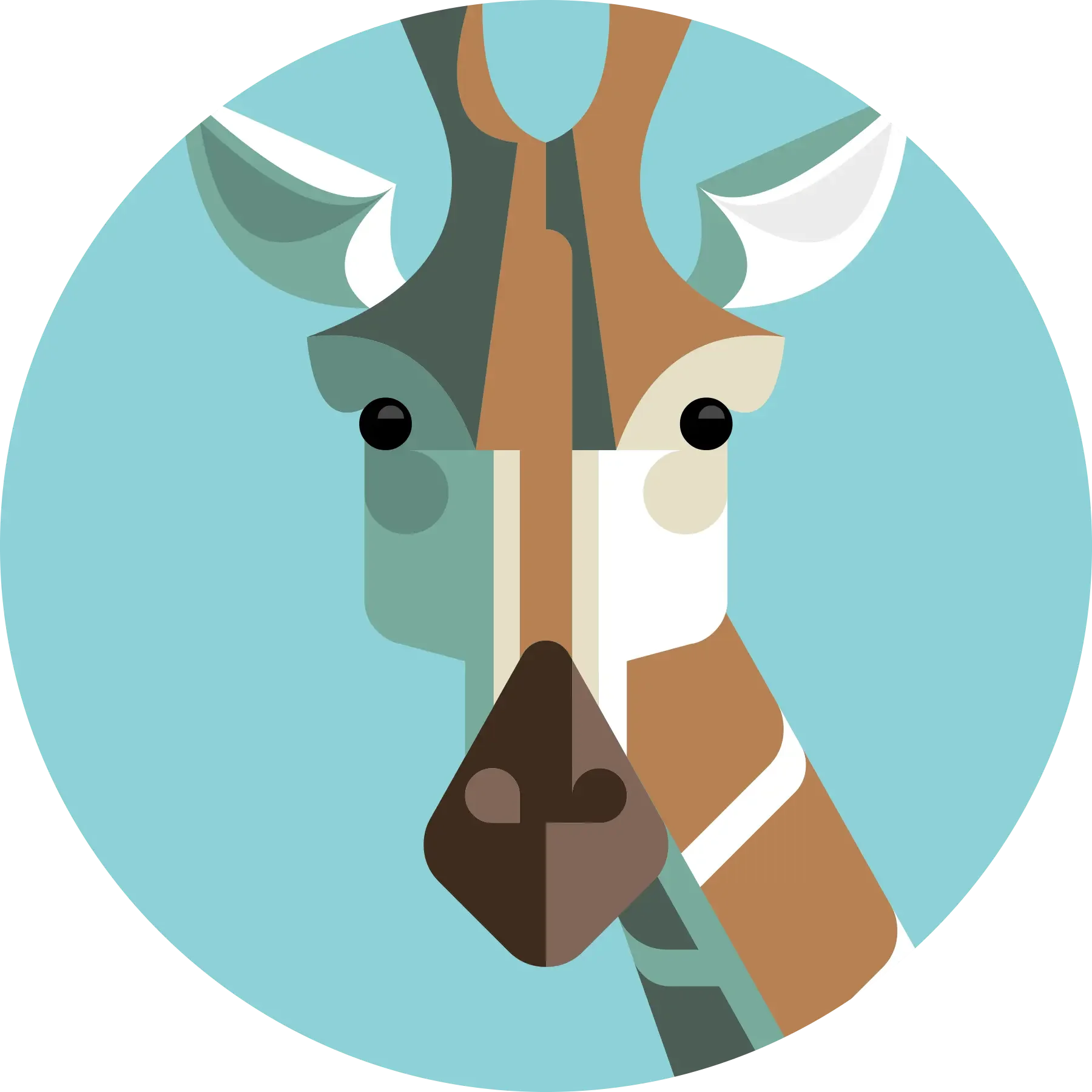 Image 2 of 2
Artwork
-
Open edition: Museum-quality giclée print on matte fine art paper (acid-free). Vibrant, long-lasting archival inks. Artist’s digitally printed signature.
-
8×10” (20×25 cm) — 12×14" (30×36 cm)
13×17" (33×43 cm) — 16×20" (41×51 cm)
16×20" (41×51 cm) — 18×24" (46×61 cm)
20×30" (51×76 cm) — 24×36" (61×91 cm)
-
Frame not included. Print includes a white border for flexible framing options.
Fits Standard Frames
Works with most stock frames (slight adjustment may be needed)
Border allows trimming to fit your frame perfectly
Edge-to-edge fit with many matted frames
Border Benefits
Extra paper for mounting tabs
Accommodates wider or taller matte windows
Shows clean paper edge instead of print edge for a polished look
Pro Tip: For a perfect fit, pair with a custom matte in your stock frame.
Symbolism
The giraffe carries profound meaning across many cultures and traditions. These three attributes represent its most resonant symbolic interpretations throughout history.
-
Seeing clearly from an elevated viewpoint
The giraffe's height represents the ability to rise above immediate circumstances and see situations from a broader vantage point. This elevated viewpoint encourages stepping back from challenges to gain clarity. The giraffe sees what others cannot, detecting patterns and opportunities before they're obvious. It's about cultivating the patience to assess the full landscape rather than reacting to what's directly in front of you.
-
Soft strength without aggression
Despite standing up to 18 feet tall, the giraffe moves with remarkable grace and avoids aggression. This symbolizes quiet strength—power that doesn't need to announce itself. Across African cultures, the giraffe represents the balance between capability and restraint, showing that true confidence doesn't require dominance. You can be both substantial and soft, both impressive and approachable.
-
Being big without being loud
No two giraffes share the same spot pattern—each is as unique as a fingerprint. This makes the giraffe a symbol of authentic self-expression and the courage to stand out. In African traditions, the giraffe represents distinctiveness without arrogance, showing that being different doesn't require being loud. The giraffe doesn't apologize for its height or try to blend in—it simply exists as it is.
Fauna
-
Giraffes are the tallest land animals on Earth, native to the open woodlands and savannas of sub-Saharan Africa. Their long necks and legs help them reach leaves and buds high in trees that few other animals can access. Every giraffe’s pattern of spots is unique, much like a human fingerprint.
For centuries, giraffes fascinated travelers and scientists alike — early naturalists even called them “camelopards” because they looked like a mix of a camel and a leopard. Today, giraffes are studied both for their remarkable anatomy and for conservation, as some populations face threats from habitat loss and fragmentation.
-
Common Name: Giraffe
Scientific Name: Giraffa camelopardalis
Height: Males up to 5.5 meters (18 feet), females up to 4.5 meters (14 feet)
Weight: Males 1,200–1,930 kg (2,600–4,250 lbs), females 800–1,180 kg (1,800–2,600 lbs)
Lifespan: 25–26 years in the wild
Habitat: Grasslands and open woodlands in East Africa
Range: Sub-Saharan Africa, from Chad to South Africa
Diet: Herbivore (primarily Acacia leaves)
Conservation Status: Vulnerable (IUCN, 2016)Distinctive Features: Seven vertebrae in neck (same as humans) but extremely elongated—up to 8 feet. Heart weighs approximately 25 lbs with specialized vessels to pump blood up the neck. Each coat pattern is unique like a fingerprint.
-
Giraffes spend most of their waking hours feeding—16 to 20 hours each day, consuming up to 66 pounds of foliage. Their 18–20 inch prehensile tongue strips leaves from thorny Acacia branches with precision and patience. They feed high where others cannot reach, taking what they need without rushing.
Social structures remain loose and fluid. Herds of up to 40 animals gather and disperse without a rigid hierarchy. Males establish standing through "necking"—swinging their heads in powerful but measured contests. There's no sustained aggression, just brief demonstrations of strength before moving on.
Their exceptional eyesight detects movement over a mile away. Combined with their height, this awareness creates a natural vigilance—they see threats and opportunities long before others do. Calves are born at 6 feet tall and can stand within an hour, quickly adapting to their elevated perspective on the world.
Despite their size, giraffes move with surprising grace, their long strides covering ground efficiently without unnecessary effort. They exist in their environment with quiet confidence, neither dominating their space nor shrinking from it.
Recommended
Modern, contemporary, & minimalist interiors—creative spaces, home offices, nurseries
Light to medium walls (whites, creams, soft grays, pale blues, light yellows)
Spaces needing a calming presence and a pop of color without visual clutter
Shipping
-
Your print is made to order and ships from the closest production location to you, helping reduce delivery time and the chance of customs delays. Facilities are located across the U.S., Canada, Mexico, Brazil, Europe, the U.K., Australia, and Japan. Most orders ship from within the same region they’re delivered to.
If your country requires VAT (such as the U.K. or EU), it’s collected at checkout. U.S. customers are not charged VAT.
-
Production
2–5 business days for production fulfillment
Shipping
Estimated delivery (after production):
US: 3–8 business days
Canada / Europe / Australia: 5–12 business days
Other international locations: Timing varies by region based on local carriersThese are estimates and not guarantees — delivery times may vary during high-demand seasons
-
VAT
For many international destinations (including the UK and EU), VAT is collected at checkout and included in your order total. This helps reduce unexpected charges on delivery.Customs Duties & Import Taxes
Some countries may still apply additional import charges, depending on:Local regulations
The value of your order
Whether your country applies duties to printed goods or framed products
These fees, if applied, are the responsibility of the recipient and are not included in the product or shipping cost.
-
Tariff rules vary by country and sometimes change year-to-year. Depending on your region, you may see customs tariffs on certain manufactured goods. When possible, your order ships from a regional facility to help minimize or avoid tariff costs.
-
The holiday season brings significantly increased demand across all shipping carriers. This can affect both production and transit times.
Here’s what you need to know:
Order earlier than usual to ensure holiday delivery.
Carriers may apply seasonal surcharges and experience longer processing times.
Delivery estimates are not guaranteed during peak holiday periods.
Orders placed in late December may arrive after the holiday, depending on your region.
Instead of strict cutoff dates (which vary globally and change year-to-year), the safest window is:
For December gift-giving, place orders as early in November as possible.