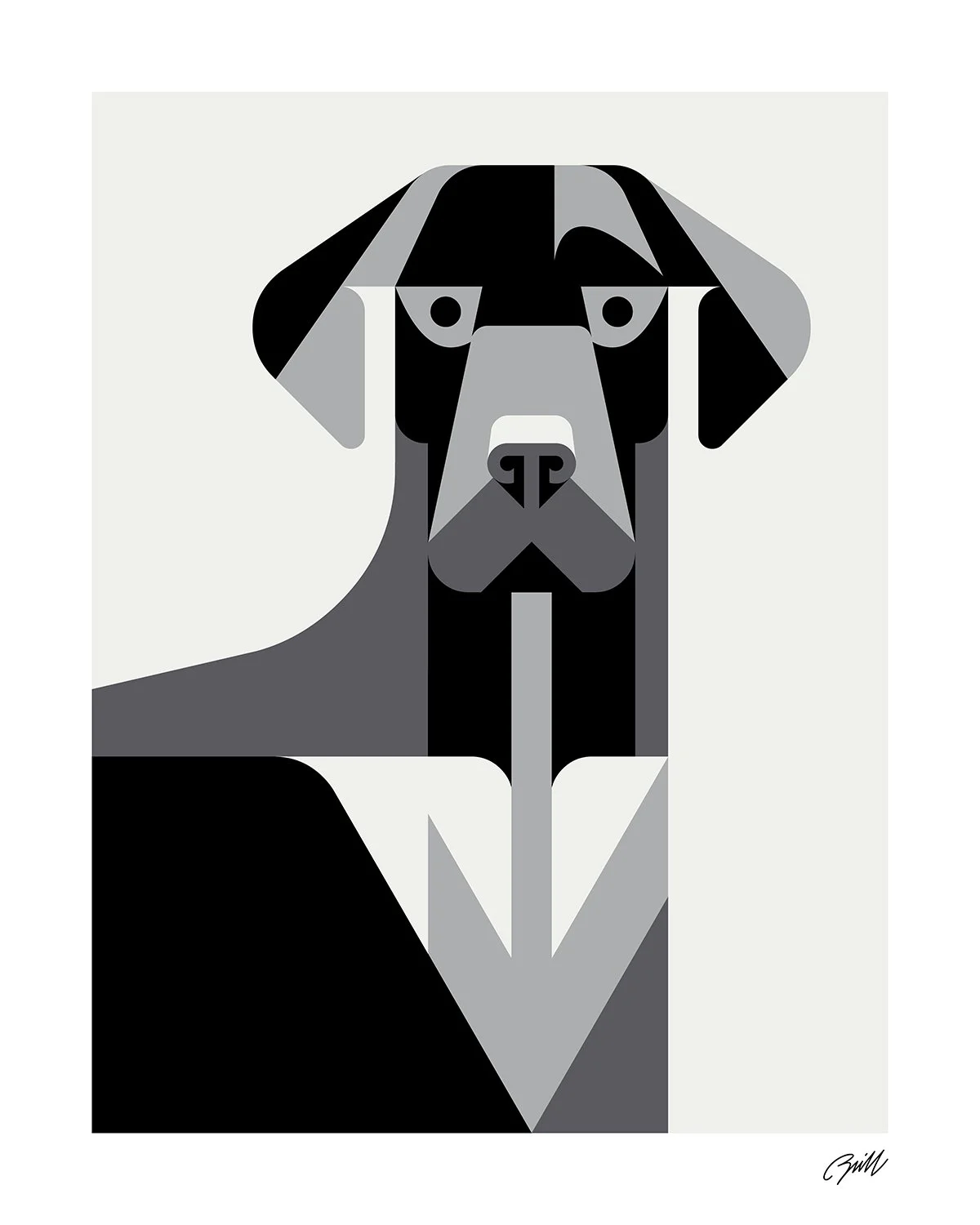
Image 1 of 3
 Image 2 of 3
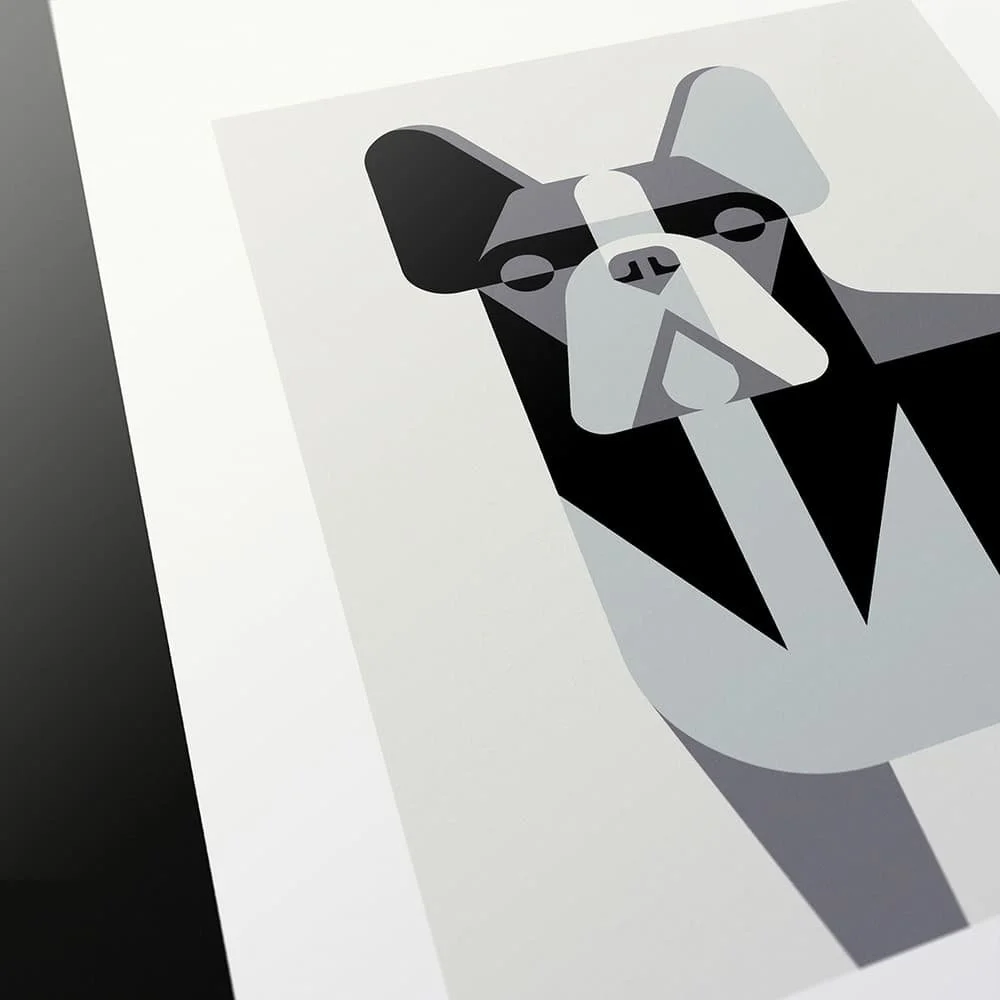 Image 3 of 3
Artwork
-
Open edition: Museum-quality giclée print on matte fine art paper (acid-free). Vibrant, long-lasting archival inks. Artist’s digitally printed signature.
-
8×10” (20×25 cm) — 12×14" (30×36 cm)
13×17" (33×43 cm) — 16×20" (41×51 cm)
-
Frame not included. Print includes a white border for flexible framing options.
Fits Standard Frames
Works with most stock frames (slight adjustment may be needed)
Border allows trimming to fit your frame perfectly
Edge-to-edge fit with many matted frames
Border Benefits
Extra paper for mounting tabs
Accommodates wider or taller matte windows
Shows clean paper edge instead of print edge for a polished look
Pro Tip: For a perfect fit, pair with a custom matte in your stock frame.
Symbolism
The French Bulldog carries profound meaning through its history and personality. These three attributes represent its most resonant symbolic interpretations throughout modern culture.
-
Devoted presence without demand
French Bulldogs symbolize companionship and loyalty, embodying the deep bond between humans and their pets. Originally bred as lap warmers for lacemakers in 19th-century France, they were designed specifically to be "people dogs"—thriving on human contact and close quarters. They're often called "Velcro dogs" because they follow their owners from room to room, seeking to be wherever you are. This isn't neediness but genuine devotion—they simply want to share your life. Unlike working breeds with jobs to do, Frenchies were bred for one purpose: to be your best friend. This symbolizes the value of presence over productivity, of being over doing, reminding us that sometimes the greatest gift we can offer is simply showing up for those we love.
-
French Bulldogs embody joy and lightheartedness through their playful, often comical nature. They're known for the "Frenchie 500"—sudden bursts of energetic sprinting in circles that demonstrate pure, uncontainable happiness. With their expressive faces and clownish demeanor, Frenchies have a natural talent for making people laugh, often without even trying. Their playful spirit isn't about high energy or constant activity—it's about finding delight in simple things, turning ordinary moments into amusing adventures. This symbolizes the ability to maintain a sense of humor and wonder regardless of circumstances, to awaken your inner child, and to relish life's little moments rather than taking everything too seriously.
-
Bold heart in a small frame
Despite their small size, French Bulldogs symbolize courage, determination, and inner strength. In Celtic tradition, they were seen as symbols of bravery and protection, believed to bring good luck to their owners. Their tenacious nature when facing adversity, combined with their protective instincts toward family, demonstrates that courage isn't about physical size. Frenchies are intelligent and emotionally aware, but they're also famously stubborn—they know what you're asking, they just might not feel like doing it right away. This independent thinking represents standing your ground, trusting your own judgment, and having the confidence to be yourself against all odds. The Frenchie reminds us that true strength comes from within, not from outward appearance.
Fauna
-
French Bulldogs emerged in mid-19th century Paris when English lacemakers immigrated to France, bringing their small bulldogs bred as lap warmers and rat catchers. The breed became an instant hit with Parisian bohemians—writers, artists, and fashion designers all coveted the lovable pups with distinctive bat ears.
English breeders, who'd always considered bat ears a flaw, happily sent their bat-eared puppies to France. The breed became known as Bouledogue Français—"boule" for ball and "dogue" for mastiff. By the late 1800s, high-society Parisian ladies had made them status symbols, and the breed spread to America's wealthiest families.
Today, French Bulldogs rank as America's most popular breed, beloved for their companionship and personality.
-
Common Name: French Bulldog (Frenchie)
Scientific Name: Canis lupus familiaris (domestic dog)
Height: 11–13 inches (28–33 cm) at withers
Weight: Under 28 pounds (13 kg), typically 16–28 lbs
Lifespan: 10–12 years average
Origin: England (developed), France (popularized) in late 1800s
Colors: Brindle, fawn, white, cream, or pied (white with brindle patches)
Purpose: Companion dog, originally lap warmer for lacemakersDistinctive Features: Large erect ears, rounded at the tips, that resemble those of a bat. Flat, wrinkled face with shortened muzzle (brachycephalic). Compact, muscular body with short legs and recognizable bow-legged gait. Loose, soft skin forming wrinkles at head and shoulders. Square-shaped head with alert expression.
-
French Bulldogs are typical of a companion breed in that they are "Velcro dogs" and want to be close to their owners at all times. They are patient, affectionate, agreeable, and social, but they can have a stubborn streak. Unlike breeds developed for work, Frenchies were designed purely for companionship. They follow their people from room to room, seeking physical closeness—on laps, next to legs, pressed against sides during sleep. This isn't separation anxiety but genuine preference for togetherness. They love cuddling and will usually want to sit on or next to you, expressing their loyalty and companionship physically.
French Bulldogs originated in England in the 1800s as working dogs for lacemakers and artisans who worked in small shops. The dogs were prized for their gentle nature and ability to adapt to cramped living quarters. This history created a breed perfectly suited to apartment living and urban spaces. French Bulldogs do not need much exercise. They have fairly low energy levels and need only daily exercise through short walks or playtime in the yard. They adjust their energy to their environment—content with a short walk and indoor play, but also happy to accompany you on longer outings.
One of the most delightful French Bulldog personality traits is their playful and fun-loving nature. They have an amazing ability to find joy in the simplest of things, turning everyday moments into amusing adventures. Despite their dignified appearance, Frenchies are natural comedians with expressive faces and playful antics. French Bulldog personality traits shine when they're part of the family action, whether that's a quick game of fetch or a cozy movie night on the couch. They're smart and alert, often described as having huge personalities in small packages. They can have a stubborn streak and it's best to start socialization and obedience training early to develop good habits. This independent thinking combined with devotion creates a companion who's both entertaining and deeply loyal.
Recommended
Modern, contemporary, and urban interiors seeking personality and warmth.
Apartments, condos, and smaller living spaces where adaptability matters.
Living rooms, bedrooms, and home offices valuing companionship.
Dog lovers, Frenchie owners, and anyone celebrating the human-animal bond.
Shipping
-
Your print is made to order and ships from the closest production location to you, helping reduce delivery time and the chance of customs delays. Facilities are located across the U.S., Canada, Mexico, Brazil, Europe, the U.K., Australia, and Japan. Most orders ship from within the same region they’re delivered to.
If your country requires VAT (such as the U.K. or EU), it’s collected at checkout. U.S. customers are not charged VAT.
-
Production
2–5 business days for production fulfillment
Shipping
Estimated delivery (after production):
US: 3–8 business days
Canada / Europe / Australia: 5–12 business days
Other international locations: Timing varies by region based on local carriersThese are estimates and not guarantees — delivery times may vary during high-demand seasons.
-
VAT
For many international destinations (including the UK and EU), VAT is collected at checkout and included in your order total. This helps reduce unexpected charges on delivery.Customs Duties & Import Taxes
Some countries may still apply additional import charges, depending on:Local regulations
The value of your order
Whether your country applies duties to printed goods or framed products
These fees, if applied, are the responsibility of the recipient and are not included in the product or shipping cost.
-
Tariff rules vary by country and sometimes change year-to-year. Depending on your region, you may see customs tariffs on certain manufactured goods. When possible, your order ships from a regional facility to help minimize or avoid tariff costs.
-
The holiday season brings significantly increased demand across all shipping carriers. This can affect both production and transit times.
Here’s what you need to know:
Order earlier than usual to ensure holiday delivery.
Carriers may apply seasonal surcharges and experience longer processing times.
Delivery estimates are not guaranteed during peak holiday periods.
Orders placed in late December may arrive after the holiday, depending on your region.
Instead of strict cutoff dates (which vary globally and change year-to-year), the safest window is:
For December gift-giving, place orders as early in November as possible.