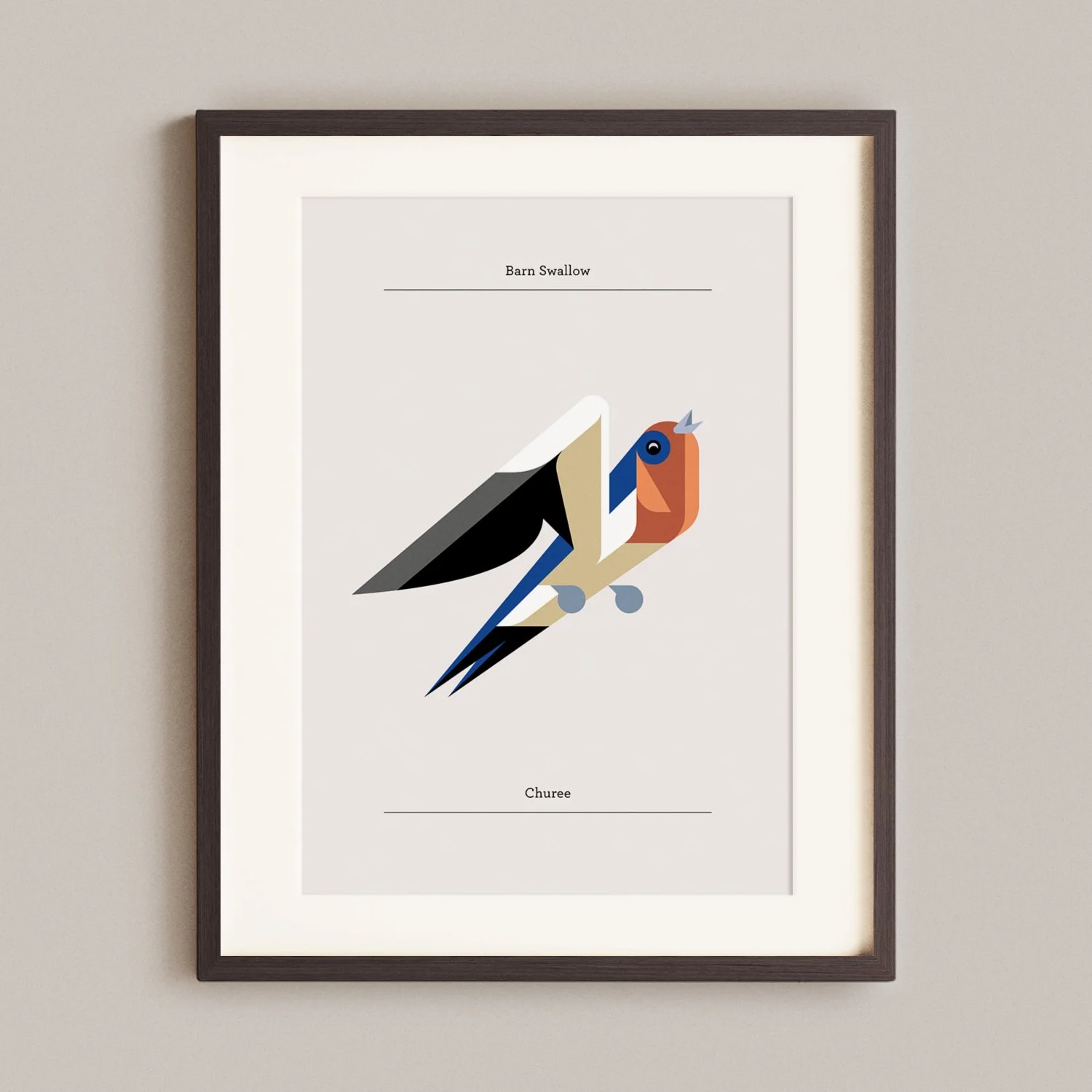
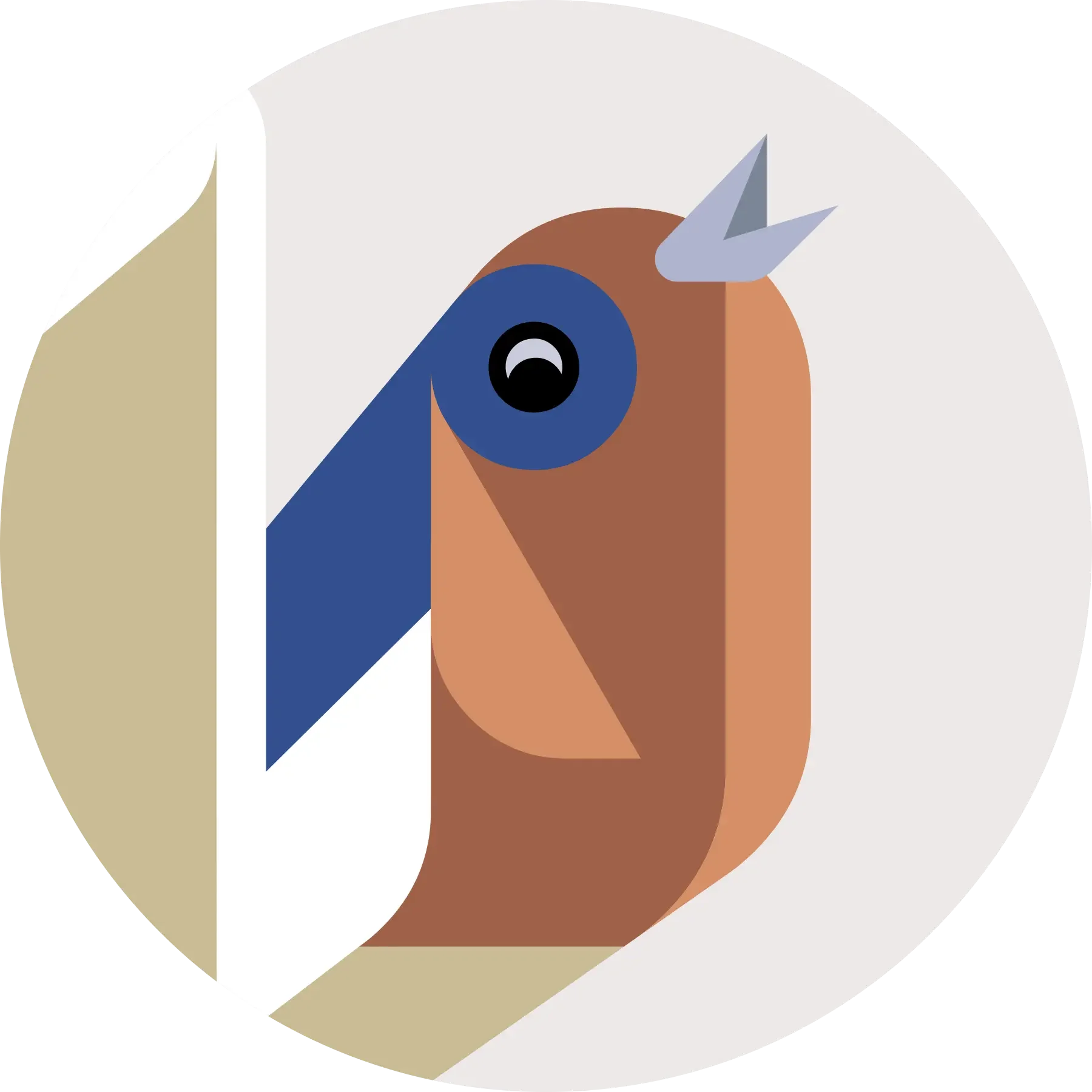
Image 1 of 3
 Image 2 of 3
 Image 3 of 3
Artwork
-
Open edition: Museum-quality giclée print on matte fine art paper (acid-free). Vibrant, long-lasting archival inks. Artist’s digitally printed signature.
-
5×7” (13×18 cm) — 8×10” (20×25 cm)
8×10” (20×25 cm) — 12×16” (30×41 cm)
12×17” (30×43 cm) — 16×20” (41×51 cm)
16×20” (41×51 cm) — 18×24” (46×61 cm)
20×30” (51×76 cm) — 24×36” (61×91 cm)
-
Frame not included. Print includes a white border for flexible framing options.
Fits Standard Frames
Works with most stock frames (slight adjustment may be needed)
Border allows trimming to fit your frame perfectly
Edge-to-edge fit with many matted frames
Border Benefits
Extra paper for mounting tabs
Accommodates wider or taller matte windows
Shows clean paper edge instead of print edge for a polished look
Pro Tip: For a perfect fit, pair with a custom matte in your stock frame.
Symbolism
The Eurasian Nuthatch carries symbolic meaning shaped by its unique foraging behavior and territorial nature. These three qualities define its most enduring symbolic associations.
-
Confidence in doing things differently
Nuthatches are the only birds that routinely move down tree trunks headfirst, a capability that gives them unique foraging access. They don't follow the patterns of woodpeckers or creepers—they chart their own path on the bark. This represents the confidence to approach problems from unconventional angles, understanding that independence often reveals opportunities others miss.
-
Strategic use of tools and planning
Nuthatches wedge nuts and seeds into bark crevices, then hammer them open with their bills—using the tree as a tool. They cache hundreds of seeds across their territory and remember locations for months. They also plaster mud around nest hole entrances to reduce the opening size, protecting against larger competitors. This represents creative problem-solving using available resources, understanding that cleverness often beats strength.
-
Defending what's yours
Nuthatches are fiercely territorial year-round, defending feeding and nesting areas against intruders regardless of size. They maintain territories through vocal declarations and direct confrontation when needed. Pairs work together to defend their space. This represents self-assured boundary-setting, understanding that confidence comes from knowing your worth and protecting what matters.
Fauna
-
Eurasian Nuthatches inhabit mature deciduous and mixed woodlands across Europe and Asia, from Britain and Scandinavia east through Russia to Japan. They prefer woodlands with large, old trees that provide ample bark surface for foraging and natural cavities for nesting. They're non-migratory, maintaining year-round territories. They've adapted to parks and large gardens with mature trees, but require substantial woodland to thrive.
-
Common Name: Eurasian Nuthatch
Scientific Name: Sitta europaea
Length: 5.5 inches (14 cm)
Weight: 0.6-0.9 ounces (17-25 grams)
Wingspan: 9-10 inches (23-27 cm)
Sexual Dimorphism: Males have darker, richer rufous-orange flanks compared to females' paler buff coloring. Otherwise similar
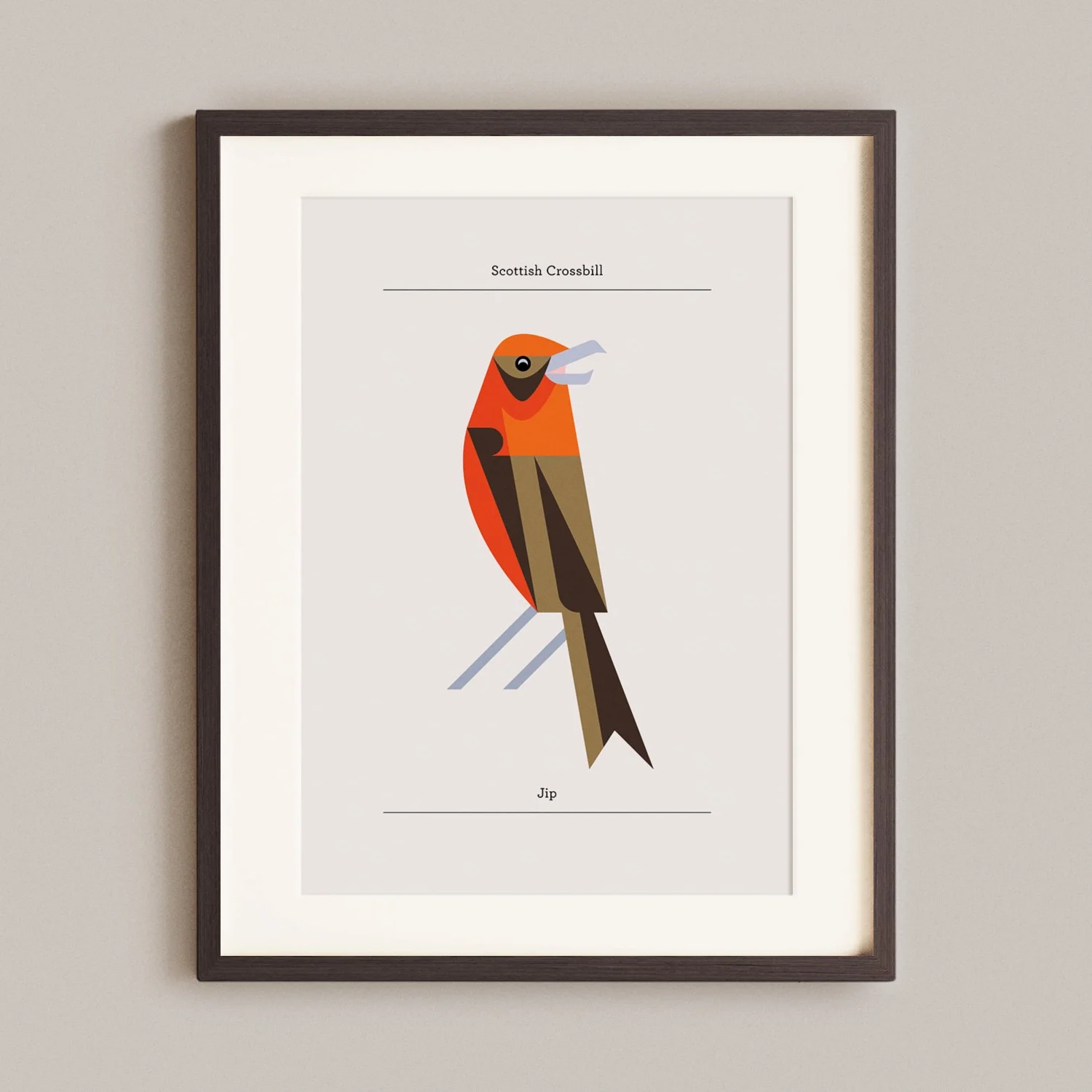
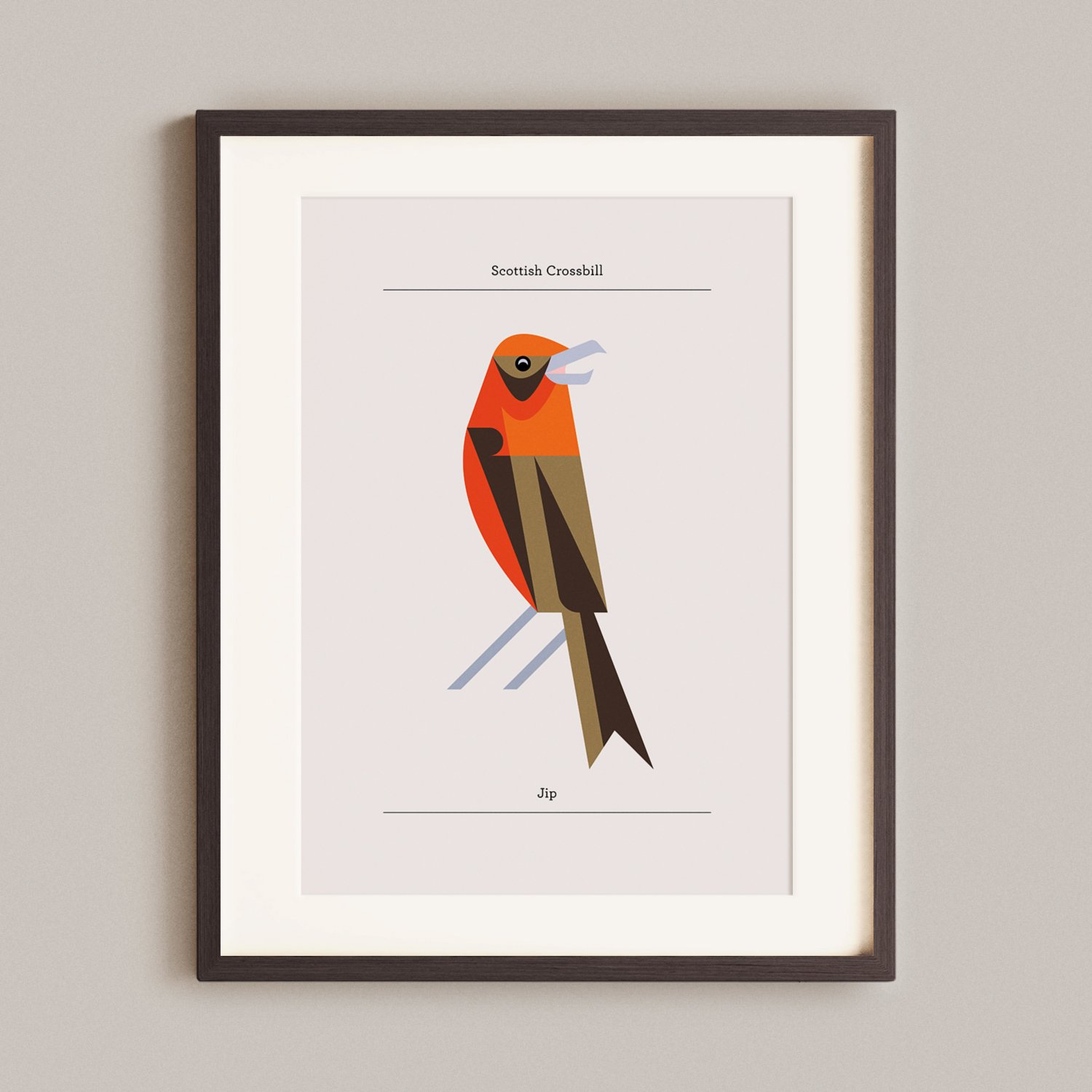
Coloration: Blue-gray upperparts, buff to orange underparts (varying by subspecies), distinctive black eye-stripe running through eye, white throat and face. Short tail
Distinctive Features: Compact, stocky build; large head; strong, pointed bill; powerful feet with long claws for climbing; ability to descend trees headfirst; loud, ringing calls; habit of wedging food in bark to hammer it open. -
Eurasian Nuthatches are primarily insectivorous during breeding season, feeding on beetles, caterpillars, spiders, and other invertebrates gleaned from bark. In autumn and winter, they eat nuts, seeds, and beech mast. Their unique foraging technique—moving headfirst down trunks—allows them to spot insects hiding on the underside of bark that upward-climbing birds miss.
They're famous for wedging nuts into bark crevices and hammering them open with powerful bill strikes—the behavior that gives them their name. They cache food extensively, hiding hundreds of seeds across their territory and remembering locations through winter. They defend these territories year-round, with pairs remaining together through all seasons.
They nest in natural tree cavities or old woodpecker holes. Uniquely, they plaster mud around the entrance hole to reduce its size, creating a custom-fit opening that excludes larger competitors and predators. Both sexes work on this construction, sometimes using over a pound of mud. Females lay 6-9 eggs, incubating for 13-18 days. Both parents feed nestlings for about 24 days.
Eurasian Nuthatches are highly vocal. Their most common call is a loud, ringing "dwip" or "tvit"—the vocalization featured on this artwork. They also produce longer series: "dwip-dwip-dwip" or trilling sequences used for territory announcement and contact between pairs. Their calls carry well through woodland, allowing territory holders to maintain acoustic boundaries. During spring, they produce whistling songs consisting of repeated notes.
Recommended
Ideal for home offices and creative studios where unconventional thinking and self-reliance matter.
Works well as a standalone dynamic piece or grouped with other woodland birds in arrangements celebrating different perspectives.
Complements earth tones, natural wood, and spaces that value individuality and creative approaches.
Shipping
-
Your print is made to order and ships from the closest production location to you, helping reduce delivery time and the chance of customs delays. Facilities are located across the U.S., Canada, Mexico, Brazil, Europe, the U.K., Australia, and Japan. Most orders ship from within the same region they’re delivered to.
If your country requires VAT (such as the U.K. or EU), it’s collected at checkout. U.S. customers are not charged VAT.
-
Production
2–5 business days for production fulfillment
Shipping
Estimated delivery (after production):
US: 3–8 business days
Canada / Europe / Australia: 5–12 business days
Other international locations: Timing varies by region based on local carriersThese are estimates and not guarantees — delivery times may vary during high-demand seasons.
-
VAT
For many international destinations (including the UK and EU), VAT is collected at checkout and included in your order total. This helps reduce unexpected charges on delivery.Customs Duties & Import Taxes
Some countries may still apply additional import charges, depending on:Local regulations
The value of your order
Whether your country applies duties to printed goods or framed products
These fees, if applied, are the responsibility of the recipient and are not included in the product or shipping cost.
-
Tariff rules vary by country and sometimes change year-to-year. Depending on your region, you may see customs tariffs on certain manufactured goods. When possible, your order ships from a regional facility to help minimize or avoid tariff costs.
-
The holiday season brings significantly increased demand across all shipping carriers. This can affect both production and transit times.
Here’s what you need to know:
Order earlier than usual to ensure holiday delivery.
Carriers may apply seasonal surcharges and experience longer processing times.
Delivery estimates are not guaranteed during peak holiday periods.
Orders placed in late December may arrive after the holiday, depending on your region.
Instead of strict cutoff dates (which vary globally and change year-to-year), the safest window is:
For December gift-giving, place orders as early in November as possible.