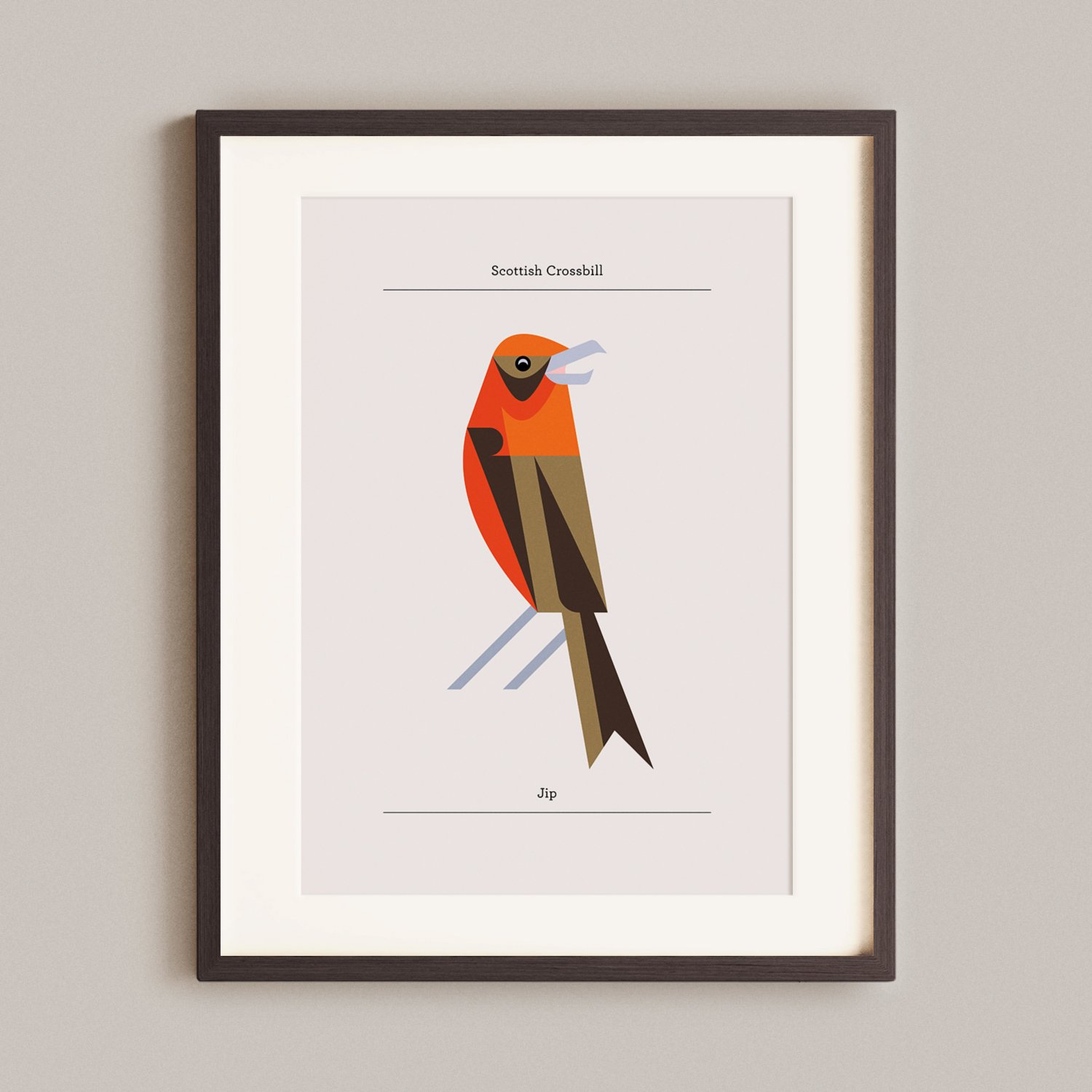
Image 1 of 3
 Image 2 of 3
 Image 3 of 3
Artwork
-
Open edition: Museum-quality giclée print on matte fine art paper (acid-free). Vibrant, long-lasting archival inks. Artist’s digitally printed signature.
-
5×7” (13×18 cm) — 8×10” (20×25 cm)
8×10” (20×25 cm) — 12×16” (30×41 cm)
12×17” (30×43 cm) — 16×20” (41×51 cm)
16×20” (41×51 cm) — 18×24” (46×61 cm)
20×30” (51×76 cm) — 24×36” (61×91 cm)
-
Frame not included. Print includes a white border for flexible framing options.
Fits Standard Frames
Works with most stock frames (slight adjustment may be needed)
Border allows trimming to fit your frame perfectly
Edge-to-edge fit with many matted frames
Border Benefits
Extra paper for mounting tabs
Accommodates wider or taller matte windows
Shows clean paper edge instead of print edge for a polished look
Pro Tip: For a perfect fit, pair with a custom matte in your stock frame.
Symbolism
The Eurasian Blue Tit carries symbolic meaning shaped by its innovative foraging techniques and bold personality. These three qualities define its most enduring symbolic associations.
-
Constant exploration and learning
Eurasian Blue Tits investigate everything—pecking at bark, probing flowers, even opening milk bottles (a famous learned behavior in Britain). They examine their environment relentlessly, discovering food sources other birds miss. This represents active engagement with the world, understanding that curiosity reveals opportunities hidden from passive observation.
-
Precision through movement
Blue Tits hang upside down, cling to swaying branches, and hover briefly while feeding—acrobatic maneuvers that allow access to food other birds can't reach. Their lightweight bodies and strong feet enable positions impossible for larger species. This represents using what makes you different as an advantage, understanding that unconventional approaches often yield unique results.
-
Learning and innovation
Blue Tits learn from each other and remember solutions to complex problems. They've famously learned to open foil milk bottle caps to access cream—a skill that spread through populations by observation. They remember thousands of food cache locations and adjust foraging strategies based on experience. This represents adaptive intelligence built on observation and shared learning, understanding that watching others and remembering what works accelerates growth.
Fauna
-
Eurasian Blue Tits inhabit Europe, western Asia, and northwestern Africa, from Ireland and Scandinavia east to western Russia and south to the Mediterranean. They prefer deciduous and mixed woodlands, parks, gardens, and hedgerows—anywhere with trees and shrubs for nesting and foraging. They're one of Europe's most common garden birds, readily using nest boxes and visiting feeders. They're non-migratory, remaining in territories year-round, though northern populations may move south during severe winters.
-
Common Name: Eurasian Blue Tit
Scientific Name: Cyanistes caeruleus
Length: 4.5 inches (11.5 cm)
Weight: 0.35-0.42 ounces (10-12 grams)
Wingspan: 7-8 inches (18-20 cm)
Sexual Dimorphism: Males and females are very similar, though males have slightly brighter blue crowns and more extensive black markings
Coloration: Bright blue crown and wings, yellow underparts, white face with black eye-stripe, black line through eye to nape, greenish back. Juveniles are duller with yellow faces instead of white
Distinctive Features: Small, compact body; short bill; blue and yellow coloration; acrobatic foraging behavior; ability to hang upside down; active, constantly moving nature -
Eurasian Blue Tits are active, acrobatic foragers that feed primarily on insects, spiders, and caterpillars during breeding season, switching to seeds and nuts in winter. They hang upside down from branches, hover briefly to pluck insects from leaves, and probe bark crevices with their bills. They're famous for their ability to open foil milk bottle caps—a learned behavior first documented in the 1920s that spread through populations via observation.
They form loose flocks in winter, often joining mixed-species feeding groups with other small birds. During breeding season, pairs defend small territories. Males perform courtship displays including fluttering flights and singing. Females build nests in tree cavities or nest boxes, constructing cup-shaped nests of moss, grass, and feathers. They lay 7-13 eggs (large clutches for their size), incubating for 13-15 days. Both parents feed nestlings for about 19 days until fledging.
Eurasian Blue Tits are highly vocal with varied calls. Their most common vocalization is a high-pitched "tsee-tsee-tsee" or "tee-tee-tee"—the call featured on this artwork. They also produce churring alarm calls, harsh scolding notes when defending nests, and a sweet, high-pitched song during breeding season consisting of trills and whistles. They use different calls to communicate about food, predators, and social interactions.
Collection
-
The Flora Fauna Collection began in 2007 as an ongoing visual study of wildlife from around the world. Each piece captures both the essential form of a species and the unique character it embodies—celebrating natural beauty while revealing what makes each animal distinct.
-
Featured in British Vanity Fair, IDN Magazine, Dwell, Apartment Therapy, Design Milk, and Complex. The collection appeals to wildlife enthusiasts, design-focused collectors, and those who find personal meaning in the animals they choose to live with.
-
Designed for modular display and gradual collecting. These prints work individually as accent pieces or grouped to create personal galleries. Build a collection by region, habitat, aesthetic preference, or personal connection.
Recommended
Ideal for creative workspaces and learning environments where curiosity and innovation matter.
Works well grouped with other European garden birds or displayed in playful, dynamic arrangements.
Complements bright accent colors, natural wood, and spaces celebrating cheerful, energetic aesthetics.

Shipping
-
Your print is made to order and ships from the closest production location to you, helping reduce delivery time and the chance of customs delays. Facilities are located across the U.S., Canada, Mexico, Brazil, Europe, the U.K., Australia, and Japan. Most orders ship from within the same region they’re delivered to.
If your country requires VAT (such as the U.K. or EU), it’s collected at checkout. U.S. customers are not charged VAT.
-
Production
2–5 business days for production fulfillment
Shipping
Estimated delivery (after production):
US: 3–8 business days
Canada / Europe / Australia: 5–12 business days
Other international locations: Timing varies by region based on local carriersThese are estimates and not guarantees — delivery times may vary during high-demand seasons.
-
VAT
For many international destinations (including the UK and EU), VAT is collected at checkout and included in your order total. This helps reduce unexpected charges on delivery.Customs Duties & Import Taxes
Some countries may still apply additional import charges, depending on:Local regulations
The value of your order
Whether your country applies duties to printed goods or framed products
These fees, if applied, are the responsibility of the recipient and are not included in the product or shipping cost.
-
Tariff rules vary by country and sometimes change year-to-year. Depending on your region, you may see customs tariffs on certain manufactured goods. When possible, your order ships from a regional facility to help minimize or avoid tariff costs.
-
The holiday season brings significantly increased demand across all shipping carriers. This can affect both production and transit times.
Here’s what you need to know:
Order earlier than usual to ensure holiday delivery.
Carriers may apply seasonal surcharges and experience longer processing times.
Delivery estimates are not guaranteed during peak holiday periods.
Orders placed in late December may arrive after the holiday, depending on your region.
Instead of strict cutoff dates (which vary globally and change year-to-year), the safest window is:
For December gift-giving, place orders as early in November as possible.