Image 1 of 3
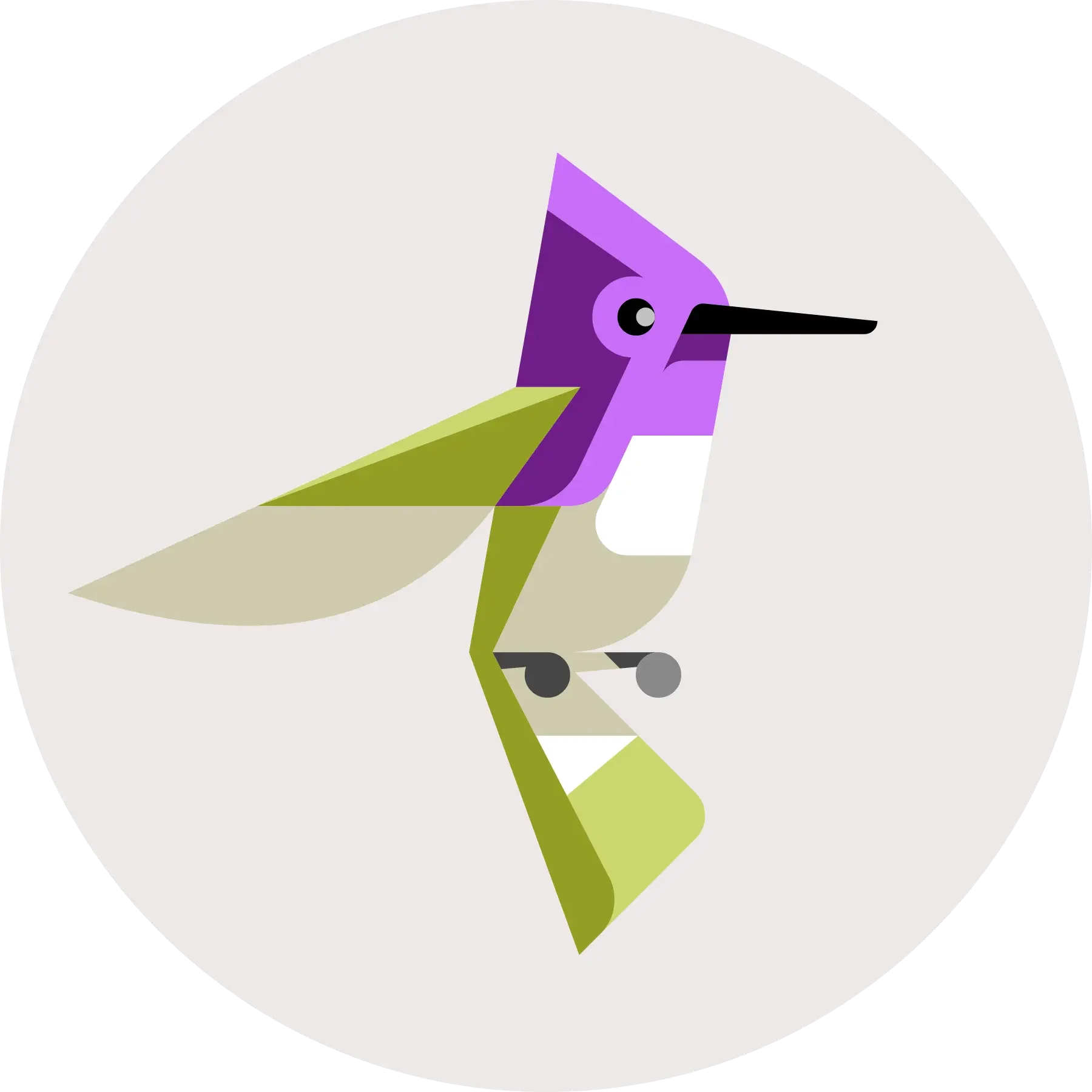 Image 2 of 3
 Image 3 of 3
Artwork
-
Open edition: Museum-quality giclée print on matte fine art paper (acid-free). Vibrant, long-lasting archival inks. Artist’s digitally printed signature.
-
5×7” (13×18 cm) — 8×10” (20×25 cm)
8×10” (20×25 cm) — 12×16” (30×41 cm)
12×17” (30×43 cm) — 16×20” (41×51 cm)
16×20” (41×51 cm) — 18×24” (46×61 cm)
20×30” (51×76 cm) — 24×36” (61×91 cm)
-
Frame not included. Print includes a white border for flexible framing options.
Fits Standard Frames
Works with most stock frames (slight adjustment may be needed)
Border allows trimming to fit your frame perfectly
Edge-to-edge fit with many matted frames
Border Benefits
Extra paper for mounting tabs
Accommodates wider or taller matte windows
Shows clean paper edge instead of print edge for a polished look
Pro Tip: For a perfect fit, pair with a custom matte in your stock frame.
Symbolism
The Costa's Hummingbird carries symbolic meaning shaped by its desert survival strategies and spectacular courtship displays. These three qualities define its most enduring symbolic associations.
-
Thriving in extremes
Costa's Hummingbirds inhabit some of North America's hottest, driest deserts, surviving temperatures over 110°F. They time breeding to coincide with peak desert wildflower blooms, adjusting their calendar to unpredictable rainfall patterns. They enter torpor at night to conserve energy, lowering metabolic rates dramatically. This represents the ability to thrive where others can't, understanding that success in harsh conditions requires strategic adaptation rather than resistance.
-
Maximizing limited resources
In desert environments where nectar is scarce, Costa's Hummingbirds establish feeding territories and defend them aggressively, optimizing energy expenditure against caloric intake. They remember flower locations and bloom timing, visiting plants on efficient routes. They feed early and late when flowers produce most nectar. This represents strategic resource management, understanding that efficiency means getting maximum return from minimum investment.
-
Spectacular displays of commitment
Male Costa's Hummingbirds perform dramatic courtship dives, climbing 100 feet before plummeting toward females while producing high-pitched whistles with their tail feathers. Their iridescent purple gorgets flare during displays—vibrant signals in a muted desert landscape. This represents the courage to show up fully and visibly, understanding that meaningful connections require bold, authentic presentation.
Fauna
-
Costa's Hummingbirds inhabit deserts and arid scrublands of the southwestern United States and northwestern Mexico, including the Sonoran and Mojave deserts. They breed primarily in southern California, Arizona, Nevada, and Baja California. Unlike most hummingbirds, they breed in late winter and early spring (January-May) to coincide with desert wildflower blooms. Many migrate to coastal California or western Mexico for late summer and fall, following different flowering seasons. They frequent desert washes, sage scrub, and increasingly urban gardens with appropriate plantings.
-
Common Name: Costa's Hummingbird
Scientific Name: Calypte costae
Length: 3-3.5 inches (7.6-8.9 cm)
Weight: 0.1 ounces (2-3 grams)
Wingspan: 4.3 inches (11 cm)
Sexual Dimorphism: Males display iridescent violet-purple crown and gorget (throat feathers) that extends down the sides like a mustache. Females lack iridescent plumage, showing green upperparts and white underparts
Coloration: Males have green backs, white underparts, and spectacular violet-purple head plumage. Females are green above with white below and white eyebrows. Both have short, straight bills
Distinctive Features: Males' elongated gorget feathers that flare to the sides; compact size (one of the smallest North American hummingbirds); short tail; high-pitched vocalizations; hovering flight capability -
Costa's Hummingbirds feed primarily on nectar from desert wildflowers, particularly chuparosa, ocotillo, and desert lavender. They also consume small insects and spiders for protein. Males establish feeding territories and defend them aggressively, chasing away other hummingbirds and insects. They feed by hovering at flowers, extending their long tongues up to 13 times per second.
Males perform elaborate courtship displays, climbing high then diving while producing high-pitched whistles created by air passing through tail feathers. They display their iridescent gorgets by positioning themselves so sunlight illuminates the feathers' structural color. Females alone build tiny cup nests of plant down, spider silk, and lichen, typically in shrubs or small trees. They lay 2 eggs, incubate for 15-18 days, and feed young for about 20-23 days until fledging.
Costa's Hummingbirds are less vocal than many hummingbird species. Males produce a light, high-pitched "chip" or "tik" call—the vocalization featured on this artwork—given from perches and during interactions. During courtship dives, their tail feathers create distinctive whistling sounds. Females produce soft chittering calls, particularly when defending nests or feeding territories.
Collection
-
The Flora Fauna Collection began in 2007 as an ongoing visual study of wildlife from around the world. Each piece captures both the essential form of a species and the unique character it embodies—celebrating natural beauty while revealing what makes each animal distinct.
-
Featured in British Vanity Fair, IDN Magazine, Dwell, Apartment Therapy, Design Milk, and Complex. The collection appeals to wildlife enthusiasts, design-focused collectors, and those who find personal meaning in the animals they choose to live with.
-
Designed for modular display and gradual collecting. These prints work individually as accent pieces or grouped to create personal galleries. Build a collection by region, habitat, aesthetic preference, or personal connection.
Recommended
Ideal for creative spaces and work areas where thriving in challenging conditions matters—places that celebrate resilience and strategic adaptation.
Works well as a standalone vibrant accent or grouped with other desert-adapted species in dynamic arrangements.
Complements bold accent colors, desert-inspired palettes, and modern spaces that celebrate vibrant energy against clean backgrounds.
Featured

Shipping
-
Your print is made to order and ships from the closest production location to you, helping reduce delivery time and the chance of customs delays. Facilities are located across the U.S., Canada, Mexico, Brazil, Europe, the U.K., Australia, and Japan. Most orders ship from within the same region they’re delivered to.
If your country requires VAT (such as the U.K. or EU), it’s collected at checkout. U.S. customers are not charged VAT.
-
Production
2–5 business days for production fulfillment
Shipping
Estimated delivery (after production):
US: 3–8 business days
Canada / Europe / Australia: 5–12 business days
Other international locations: Timing varies by region based on local carriersThese are estimates and not guarantees — delivery times may vary during high-demand seasons.
-
VAT
For many international destinations (including the UK and EU), VAT is collected at checkout and included in your order total. This helps reduce unexpected charges on delivery.Customs Duties & Import Taxes
Some countries may still apply additional import charges, depending on:Local regulations
The value of your order
Whether your country applies duties to printed goods or framed products
These fees, if applied, are the responsibility of the recipient and are not included in the product or shipping cost.
-
Tariff rules vary by country and sometimes change year-to-year. Depending on your region, you may see customs tariffs on certain manufactured goods. When possible, your order ships from a regional facility to help minimize or avoid tariff costs.
-
The holiday season brings significantly increased demand across all shipping carriers. This can affect both production and transit times.
Here’s what you need to know:
Order earlier than usual to ensure holiday delivery.
Carriers may apply seasonal surcharges and experience longer processing times.
Delivery estimates are not guaranteed during peak holiday periods.
Orders placed in late December may arrive after the holiday, depending on your region.
Instead of strict cutoff dates (which vary globally and change year-to-year), the safest window is:
For December gift-giving, place orders as early in November as possible.