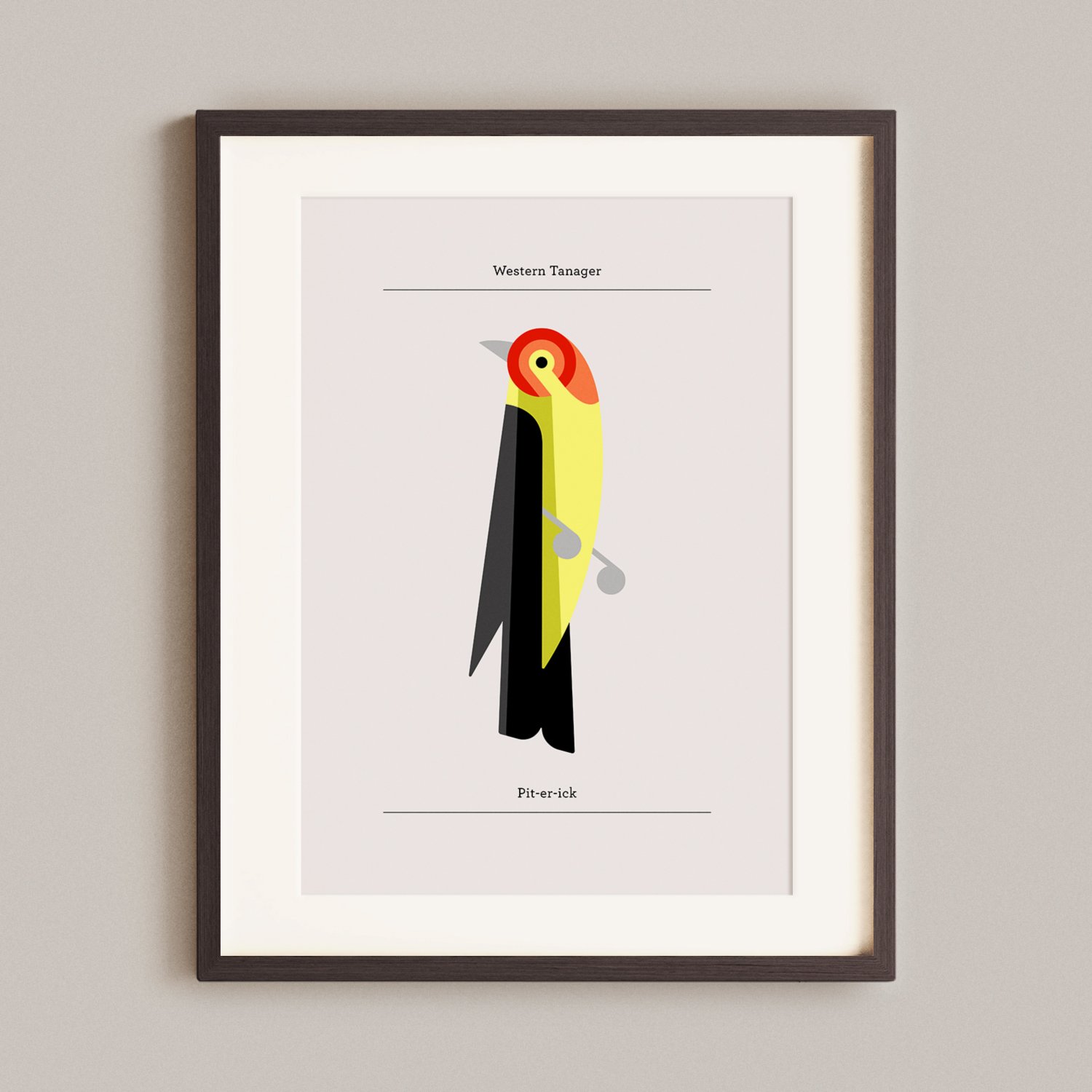
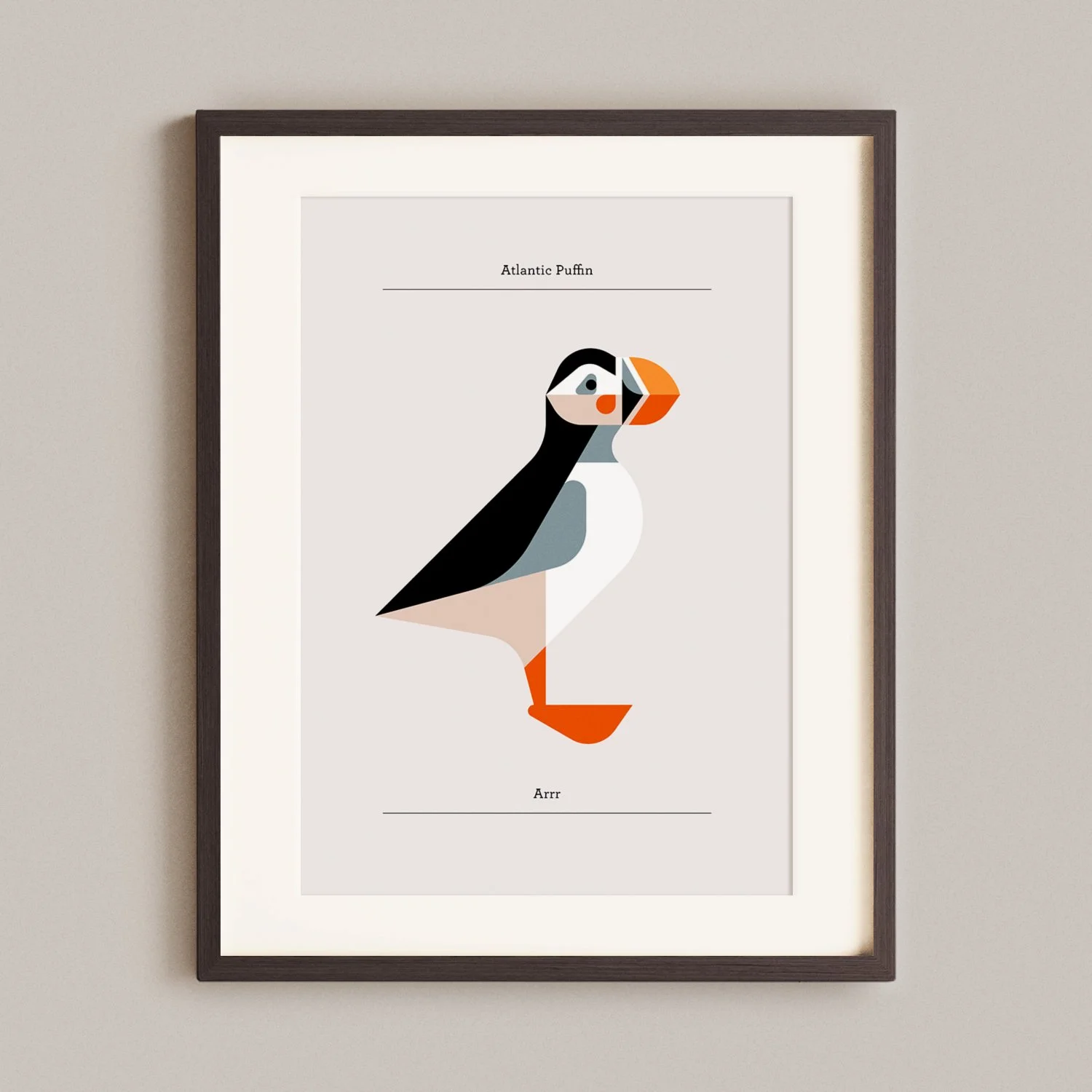
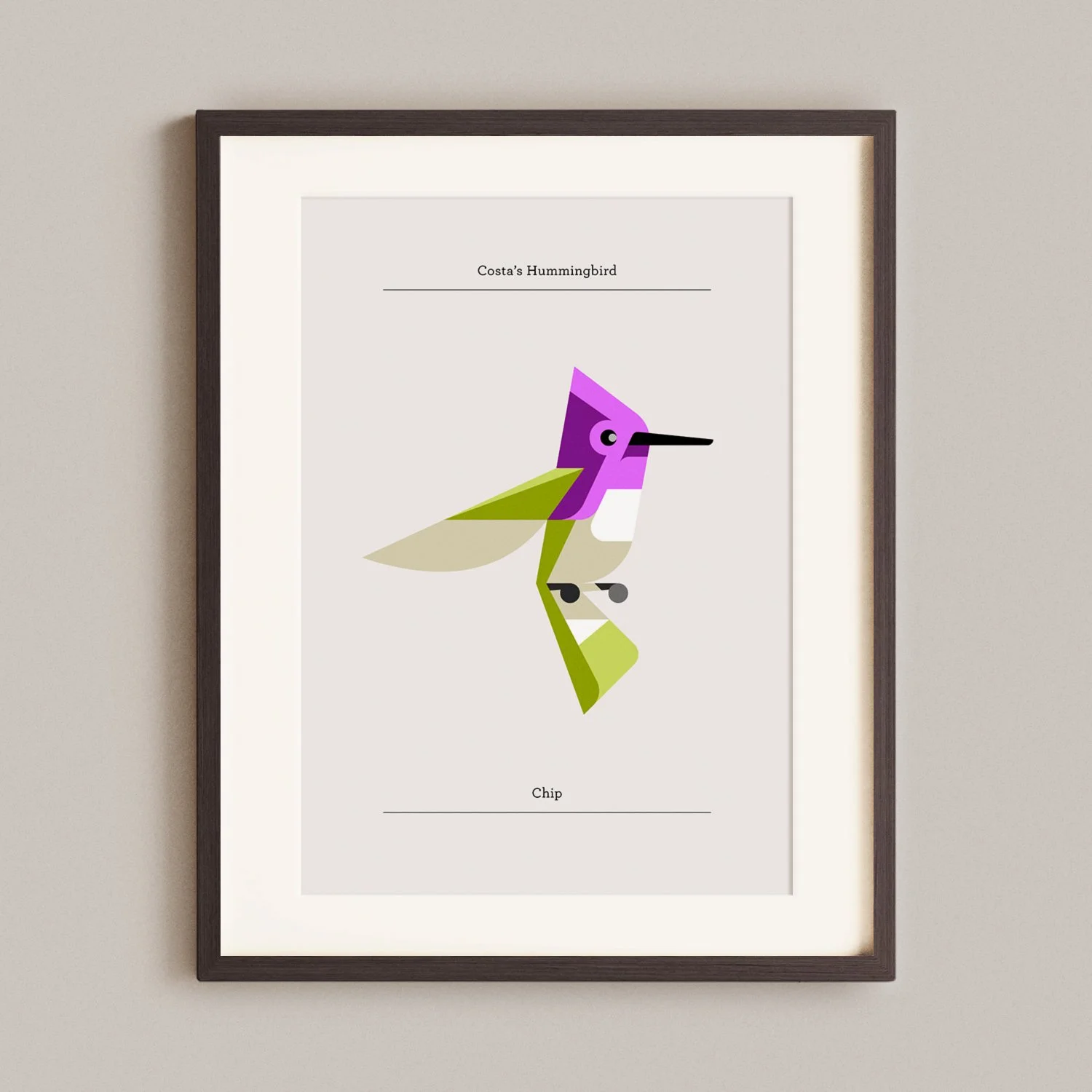
Image 1 of 3
 Image 2 of 3
 Image 3 of 3
Artwork
-
Open edition: Museum-quality giclée print on matte fine art paper (acid-free). Vibrant, long-lasting archival inks. Artist’s digitally printed signature.
-
5×7” (13×18 cm) — 8×10” (20×25 cm)
8×10” (20×25 cm) — 12×16” (30×41 cm)
12×17” (30×43 cm) — 16×20” (41×51 cm)
16×20” (41×51 cm) — 18×24” (46×61 cm)
20×30” (51×76 cm) — 24×36” (61×91 cm)
-
Frame not included. Print includes a white border for flexible framing options.
Fits Standard Frames
Works with most stock frames (slight adjustment may be needed)
Border allows trimming to fit your frame perfectly
Edge-to-edge fit with many matted frames
Border Benefits
Extra paper for mounting tabs
Accommodates wider or taller matte windows
Shows clean paper edge instead of print edge for a polished look
Pro Tip: For a perfect fit, pair with a custom matte in your stock frame.
Symbolism
The California Quail carries symbolic meaning shaped by its social structure and remarkable adaptability to diverse habitats. These three qualities define its most enduring symbolic associations.
-
Awareness as protection
California Quails post sentinel birds on elevated perches while the covey forages below, rotating guard duty throughout the day. At the first alarm call, the entire group freezes or flushes together. This represents collective awareness where individual vigilance serves the whole, understanding that watching out for others strengthens everyone's safety.
-
Strength in numbers
Quails form coveys of 25-40 birds outside breeding season, roosting together at night in dense cover and foraging as coordinated units. They use complex vocal communication to maintain contact, reunite separated members, and coordinate movements. This represents the principle that community provides resilience, understanding that individual capability increases within supportive groups.
-
Thriving across conditions
California Quails inhabit diverse environments from coastal scrub to mountain foothills, suburban gardens to agricultural edges. They adjust their diet seasonally, shift from insects to seeds as available, and modify their daily patterns based on temperature and predation risk. This represents flexibility in approach and habitat, understanding that success comes from reading conditions and adjusting accordingly.
Fauna
-
California Quails are native to the western United States, from southern Oregon through California and into Baja California, with introduced populations in British Columbia, Washington, Nevada, Utah, Hawaii, Chile, and New Zealand. They inhabit brushy areas, chaparral, oak woodlands, riparian corridors, and increasingly suburban gardens and parks. They require a mix of open ground for foraging, dense shrubs for cover, and elevated perches for sentinel behavior. They're non-migratory, remaining in home territories year-round.
-
Common Name: California Quail
Scientific Name: Callipepla californica
Length: 9.4-10.6 inches (24-27 cm)
Weight: 5.1-6.9 ounces (145-195 grams)
Wingspan: 14-15 inches (36-38 cm)
Sexual Dimorphism: Males have distinctive black face with white stripes, blue-gray breast, and black forward-curving head plume. Females are brown overall with smaller, brown plumes and lack the bold facial markings
Coloration: Males display blue-gray chest and back, brown sides with white streaking, scaled belly pattern, and chestnut crown. Females are more subdued brown-gray with similar scaling pattern. Both have short, curved bills
Distinctive Features: Comma-shaped head plume (topknot) that curves forward; scaled belly pattern; short rounded wings; ground-dwelling habits; rapid running ability; tendency to flush explosively when startled. -
California Quails are primarily ground-dwelling birds that forage for seeds, leaves, berries, and insects by scratching through leaf litter. They prefer to run rather than fly, reaching speeds up to 12 mph on foot. When threatened, they typically freeze, run for cover, or explosively flush as a group with loud wing-whirring.
Outside breeding season, they form coveys that roost together at night in dense shrubs or trees. During breeding season (spring), pairs separate from coveys to nest. Males establish small territories and perform courtship displays. Nests are simple scrapes on the ground lined with grass and leaves, typically concealed under shrubs. Females lay 12-16 eggs and incubate alone for 22-23 days. Both parents tend precocial chicks, which can run and feed themselves shortly after hatching.
California Quails are highly vocal. Their most recognized call is the three-note "chi-ca-go"—the vocalization featured on this artwork. Males use this call from elevated perches to announce territory and location. They also produce rallying calls to reunite coveys ("cu-cu-cow"), alarm calls, and contact notes. Their communication system allows coveys to maintain cohesion even in dense vegetation.
Collection
-
The Flora Fauna Collection began in 2007 as an ongoing visual study of wildlife from around the world. Each piece captures both the essential form of a species and the unique character it embodies—celebrating natural beauty while revealing what makes each animal distinct.
-
Featured in British Vanity Fair, IDN Magazine, Dwell, Apartment Therapy, Design Milk, and Complex. The collection appeals to wildlife enthusiasts, design-focused collectors, and those who find personal meaning in the animals they choose to live with.
-
Designed for modular display and gradual collecting. These prints work individually as accent pieces or grouped to create personal galleries. Build a collection by region, habitat, aesthetic preference, or personal connection.
Recommended
Ideal for family spaces and collaborative areas where both individuality and community matter.
Works well grouped with other ground bird prints or displayed in arrangements that suggest movement and connection.
Complements warm earth tones, natural textures, and spaces with organic, welcoming aesthetics.
Shipping
-
Your print is made to order and ships from the closest production location to you, helping reduce delivery time and the chance of customs delays. Facilities are located across the U.S., Canada, Mexico, Brazil, Europe, the U.K., Australia, and Japan. Most orders ship from within the same region they’re delivered to.
If your country requires VAT (such as the U.K. or EU), it’s collected at checkout. U.S. customers are not charged VAT.
-
Production
2–5 business days for production fulfillment
Shipping
Estimated delivery (after production):
US: 3–8 business days
Canada / Europe / Australia: 5–12 business days
Other international locations: Timing varies by region based on local carriersThese are estimates and not guarantees — delivery times may vary during high-demand seasons
-
VAT
For many international destinations (including the UK and EU), VAT is collected at checkout and included in your order total. This helps reduce unexpected charges on delivery.Customs Duties & Import Taxes
Some countries may still apply additional import charges, depending on:Local regulations
The value of your order
Whether your country applies duties to printed goods or framed products
These fees, if applied, are the responsibility of the recipient and are not included in the product or shipping cost.
-
Tariff rules vary by country and sometimes change year-to-year. Depending on your region, you may see customs tariffs on certain manufactured goods. When possible, your order ships from a regional facility to help minimize or avoid tariff costs.
-
The holiday season brings significantly increased demand across all shipping carriers. This can affect both production and transit times.
Here’s what you need to know:
Order earlier than usual to ensure holiday delivery.
Carriers may apply seasonal surcharges and experience longer processing times.
Delivery estimates are not guaranteed during peak holiday periods.
Orders placed in late December may arrive after the holiday, depending on your region.
Instead of strict cutoff dates (which vary globally and change year-to-year), the safest window is:
For December gift-giving, place orders as early in November as possible.