Image 1 of 3
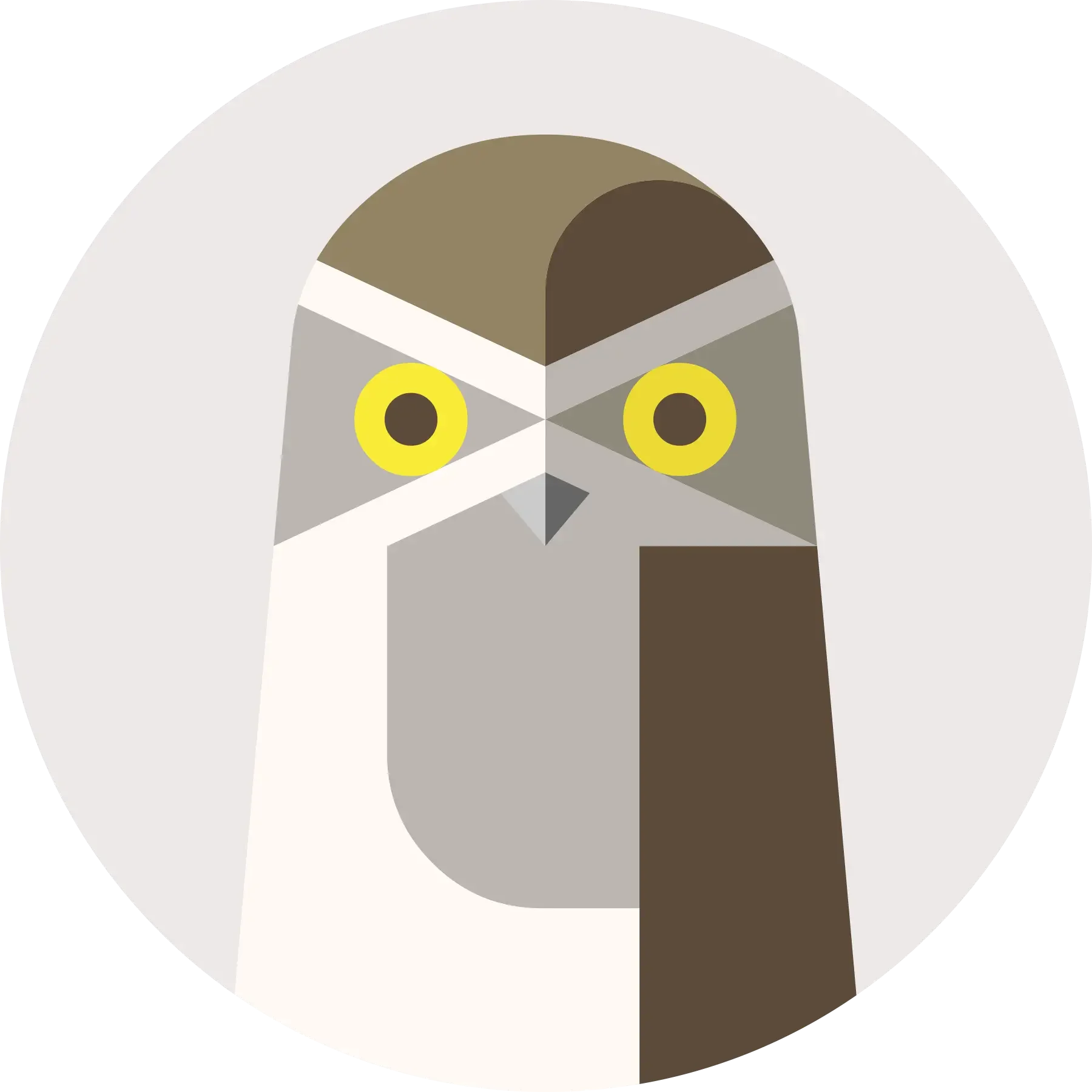 Image 2 of 3
 Image 3 of 3
Artwork
-
Open edition: Museum-quality giclée print on matte fine art paper (acid-free). Vibrant, long-lasting archival inks. Artist’s digitally printed signature.
-
5×7” (13×18 cm) — 8×10” (20×25 cm)
8×10” (20×25 cm) — 12×16” (30×41 cm)
12×17” (30×43 cm) — 16×20” (41×51 cm)
16×20” (41×51 cm) — 18×24” (46×61 cm)
20×30” (51×76 cm) — 24×36” (61×91 cm)
-
Frame not included. Print includes a white border for flexible framing options.
Fits Standard Frames
Works with most stock frames (slight adjustment may be needed)
Border allows trimming to fit your frame perfectly
Edge-to-edge fit with many matted frames
Border Benefits
Extra paper for mounting tabs
Accommodates wider or taller matte windows
Shows clean paper edge instead of print edge for a polished look
Pro Tip: For a perfect fit, pair with a custom matte in your stock frame.
Symbolism
The Burrowing Owl carries symbolic meaning shaped by its unusual ground-dwelling lifestyle and keen observation skills. These three qualities define its most enduring symbolic associations.
-
Constant awareness of surroundings
Burrowing Owls are active both day and night, spending much of their time standing at burrow entrances scanning for threats and opportunities. They bob and weave their heads to gain depth perception, tracking movement across the grassland with piercing yellow eyes. This represents maintaining awareness without anxiety, understanding that vigilance means staying present and observant rather than fearful.
-
Using what's available
Unlike most owls, Burrowing Owls nest underground in burrows—often abandoned by prairie dogs, ground squirrels, or tortoises. They line burrow entrances with mammal dung, which attracts beetles and masks their scent from predators. When threatened, chicks produce hissing calls that mimic rattlesnake warnings. This represents creative problem-solving with available resources, understanding that thriving means adapting to conditions rather than requiring ideal circumstances.
-
Thriving in unexpected places
Burrowing Owls inhabit open grasslands, prairies, deserts, and even vacant lots in urban areas—ecosystems most owls avoid. They hunt on foot as often as from the air, running after insects and small prey. They've learned to coexist with humans in agricultural areas, golf courses, and airports. This represents flexibility in habitat and method, understanding that success comes from adjusting to environment rather than resisting change.
Fauna
-
Burrowing Owls inhabit open, treeless areas throughout the Americas, from southern Canada through South America. In North America, they're found primarily in western grasslands, prairies, and deserts, with isolated populations in Florida and the Caribbean. They require short vegetation for hunting visibility and existing burrows for nesting. Northern populations migrate south for winter, while southern populations are year-round residents. They've adapted to human-modified landscapes including agricultural fields, pastures, golf courses, and vacant lots.
-
Common Name: Burrowing Owl
Scientific Name: Athene cunicularia
Length: 7.5-9.8 inches (19-25 cm)
Weight: 5.3-8.5 ounces (150-240 grams)
Wingspan: 21.6 inches (55 cm)
Sexual Dimorphism: Males and females look similar, though males are slightly larger and females are typically darker in coloration
Coloration: Brown plumage with white spots and barring, white eyebrows, bright yellow eyes, long pale legs. Sandy-brown overall with spotted breast and barred tail
Distinctive Features: Long, thin legs adapted for ground dwelling; short tail; round head without ear tufts; bright yellow eyes; prominent white chin stripe; ability to turn head 270 degrees; stands upright on ground with alert posture -
Burrowing Owls are primarily crepuscular (active at dawn and dusk) but also hunt during day and night. Unlike most owls, they frequently hunt on foot, running and hopping after insects, small mammals, and lizards. They also hover-hunt and perch-hunt from fence posts and mounds. Their diet consists mainly of insects (beetles, grasshoppers, crickets) and small rodents.
They're colonial nesters, with multiple pairs often nesting in close proximity. They don't dig their own burrows but adopt and modify existing ones, excavating with their feet and bills. Both parents defend the nest, with males doing most hunting during incubation and early chick-rearing. Females lay 6-11 eggs, incubating for 28-30 days. Young fledge at about 44 days but remain near parents for several weeks.
Burrowing Owls are among the most vocal owls. Their primary call is a two-note "coo-coooo"—the vocalization featured on this artwork. They also produce chattering calls, screams, and a distinctive rattlesnake-like hiss when threatened in their burrows. Males call frequently during breeding season, often from elevated perches near burrows. They use a variety of visual displays including head-bobbing, wing-spreading, and bill-clapping.
Collection
-
The Flora Fauna Collection began in 2007 as an ongoing visual study of wildlife from around the world. Each piece captures both the essential form of a species and the unique character it embodies—celebrating natural beauty while revealing what makes each animal distinct.
-
Featured in British Vanity Fair, IDN Magazine, Dwell, Apartment Therapy, Design Milk, and Complex. The collection appeals to wildlife enthusiasts, design-focused collectors, and those who find personal meaning in the animals they choose to live with.
-
Designed for modular display and gradual collecting. These prints work individually as accent pieces or grouped to create personal galleries. Build a collection by region, habitat, aesthetic preference, or personal connection.
Recommended
Ideal for home offices and study spaces where sustained observation and unconventional thinking matter.
Works well as a standalone focal point or grouped with other ground-dwelling bird prints in vertical arrangements.
Complements earth tones, warm neutrals, and spaces with natural, grounded aesthetics.
Featured

Shipping
-
Your print is made to order and ships from the closest production location to you, helping reduce delivery time and the chance of customs delays. Facilities are located across the U.S., Canada, Mexico, Brazil, Europe, the U.K., Australia, and Japan. Most orders ship from within the same region they’re delivered to.
If your country requires VAT (such as the U.K. or EU), it’s collected at checkout. U.S. customers are not charged VAT.
-
Production
2–5 business days for production fulfillment
Shipping
Estimated delivery (after production):
US: 3–8 business days
Canada / Europe / Australia: 5–12 business days
Other international locations: Timing varies by region based on local carriersThese are estimates and not guarantees — delivery times may vary during high-demand seasons
-
VAT
For many international destinations (including the UK and EU), VAT is collected at checkout and included in your order total. This helps reduce unexpected charges on delivery.Customs Duties & Import Taxes
Some countries may still apply additional import charges, depending on:Local regulations
The value of your order
Whether your country applies duties to printed goods or framed products
These fees, if applied, are the responsibility of the recipient and are not included in the product or shipping cost.
-
Tariff rules vary by country and sometimes change year-to-year. Depending on your region, you may see customs tariffs on certain manufactured goods. When possible, your order ships from a regional facility to help minimize or avoid tariff costs.
-
The holiday season brings significantly increased demand across all shipping carriers. This can affect both production and transit times.
Here’s what you need to know:
Order earlier than usual to ensure holiday delivery.
Carriers may apply seasonal surcharges and experience longer processing times.
Delivery estimates are not guaranteed during peak holiday periods.
Orders placed in late December may arrive after the holiday, depending on your region.
Instead of strict cutoff dates (which vary globally and change year-to-year), the safest window is:
For December gift-giving, place orders as early in November as possible.