Image 1 of 3
 Image 2 of 3
 Image 3 of 3
Artwork
-
Open edition: Museum-quality giclée print on matte fine art paper (acid-free). Vibrant, long-lasting archival inks. Artist’s digitally printed signature.
-
5×7” (13×18 cm) — 8×10” (20×25 cm)
8×10” (20×25 cm) — 12×16” (30×41 cm)
12×17” (30×43 cm) — 16×20” (41×51 cm)
16×20” (41×51 cm) — 18×24” (46×61 cm)
20×30” (51×76 cm) — 24×36” (61×91 cm)
-
Frame not included
Fits most stock frames bodies (slight adjustment may be required to fit properly)
Paper border for better fittings
1. Trim paper to fit your frame molding
2. Extra paper for mounting tabs
3. Edge to edge fit with some stock matted frames
4. Extra paper allows for slightly wider or taller matte windows to show paper instead the edge the paper for a better matted look
For a more precise fitting, use a custom matte in your stock frame
Symbolism
The Blue Jay carries symbolic meaning shaped by its intelligence and complex social behavior. These three qualities define its most enduring symbolic associations.
-
Problem-solving and innovation
Blue Jays use tools, mimic hawk calls to scare competitors away from food, and adjust their caching strategies based on who's watching. They can solve multi-step problems and remember thousands of cache locations. This represents cognitive flexibility and creative problem-solving, understanding that intelligence means adapting your approach to the situation at hand.
-
Speaking up and standing ground
Blue Jays are among the most vocal birds in North America, using their loud calls to alert other birds to predators, claim territory, and communicate within family groups. They fearlessly mob hawks and owls much larger than themselves, driving them away with coordinated group tactics. This represents the courage to make yourself heard and the confidence to stand your ground when it matters.
-
Family bonds and partnership
Blue Jays mate for life and maintain strong family bonds, with young often staying with parents through their first winter to learn survival skills. Both parents share nest-building, incubation, and feeding duties equally. During winter, family groups forage together, sharing information about food sources. This represents commitment that extends beyond convenience and the understanding that lasting bonds require sustained investment.
Fauna
-
Blue Jays are year-round residents throughout eastern and central North America, from southern Canada to the Gulf Coast and west to the Rocky Mountains. They inhabit deciduous and mixed forests, forest edges, parks, and suburban areas with mature trees. Some northern populations migrate south in fall, though migration patterns are irregular and not fully understood. They thrive in areas where oak trees are abundant, as acorns form a major part of their diet.
-
Common Name: Blue Jay
Scientific Name: Cyanocitta cristata
Length: 9-12 inches (22-30 cm)
Weight: 2.5-3.5 ounces (70-100 grams)
Wingspan: 13-17 inches (34-43 cm)
Sexual Dimorphism: Males and females are nearly identical in appearance, though males are slightly larger on average
Coloration: Bright blue upperparts with black barring on wings and tail, white face and underparts, black necklace across throat and around head, distinctive blue crest. The blue color is structural, not pigment-based—created by light scattering through modified cells
Distinctive Features: Prominent crest that can be raised or lowered; strong, pointed black bill; black legs; white patches on wings and tail visible in flight; loud, varied vocalizations. -
Blue Jays are omnivorous, eating acorns, nuts, seeds, insects, and occasionally small vertebrates and eggs. They're especially important for oak forest regeneration, caching thousands of acorns each fall and failing to retrieve many, effectively planting trees. They hold food items with their feet and pound them open with their powerful bills.
They're highly social, forming family groups and loose flocks outside breeding season. Pairs build cup-shaped nests of twigs, grass, and mud in trees, typically 10-25 feet high. Females lay 4-5 eggs and do most incubation (16-18 days) while males bring food. Both parents feed young for about 17-21 days until fledging, and offspring often remain with parents through their first winter.
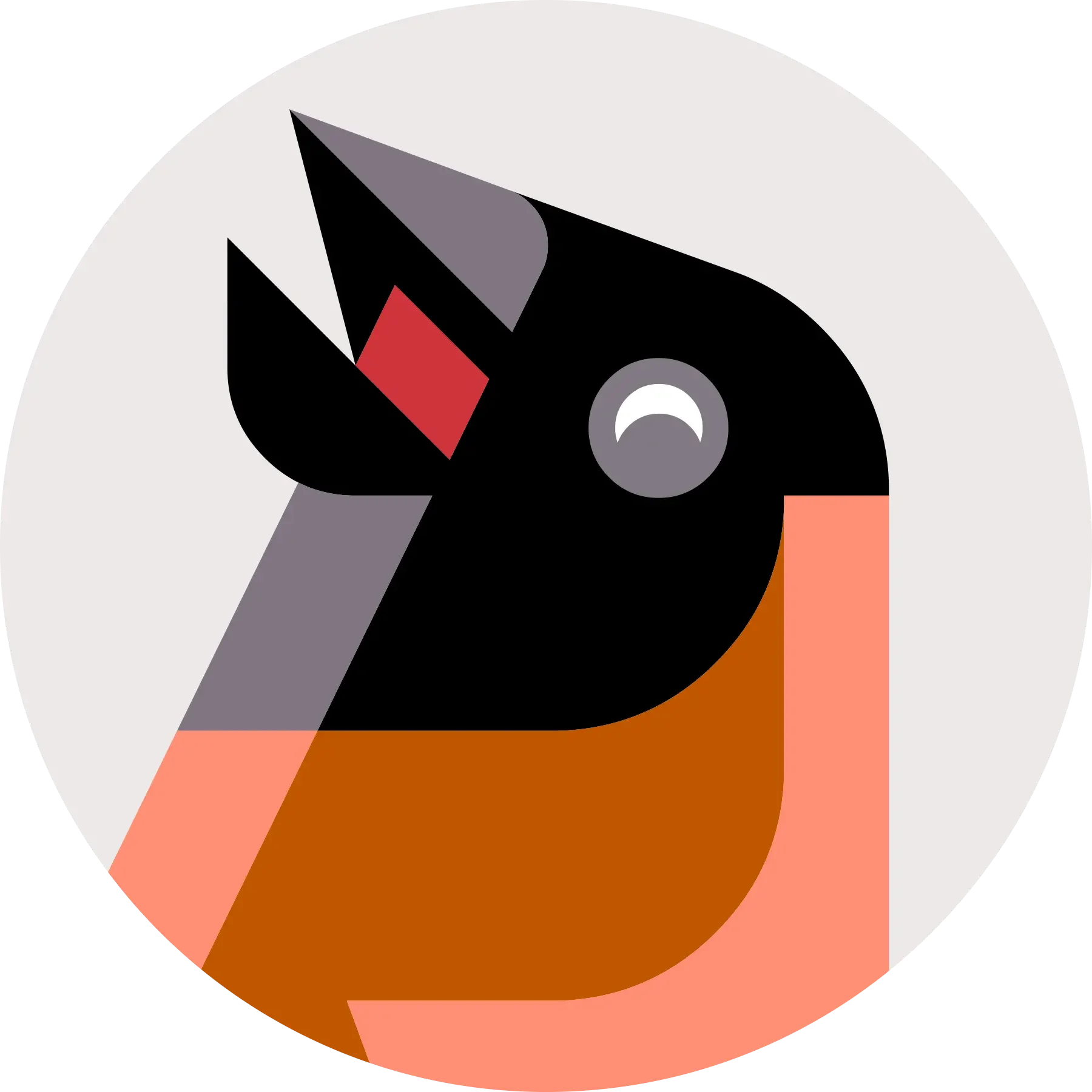
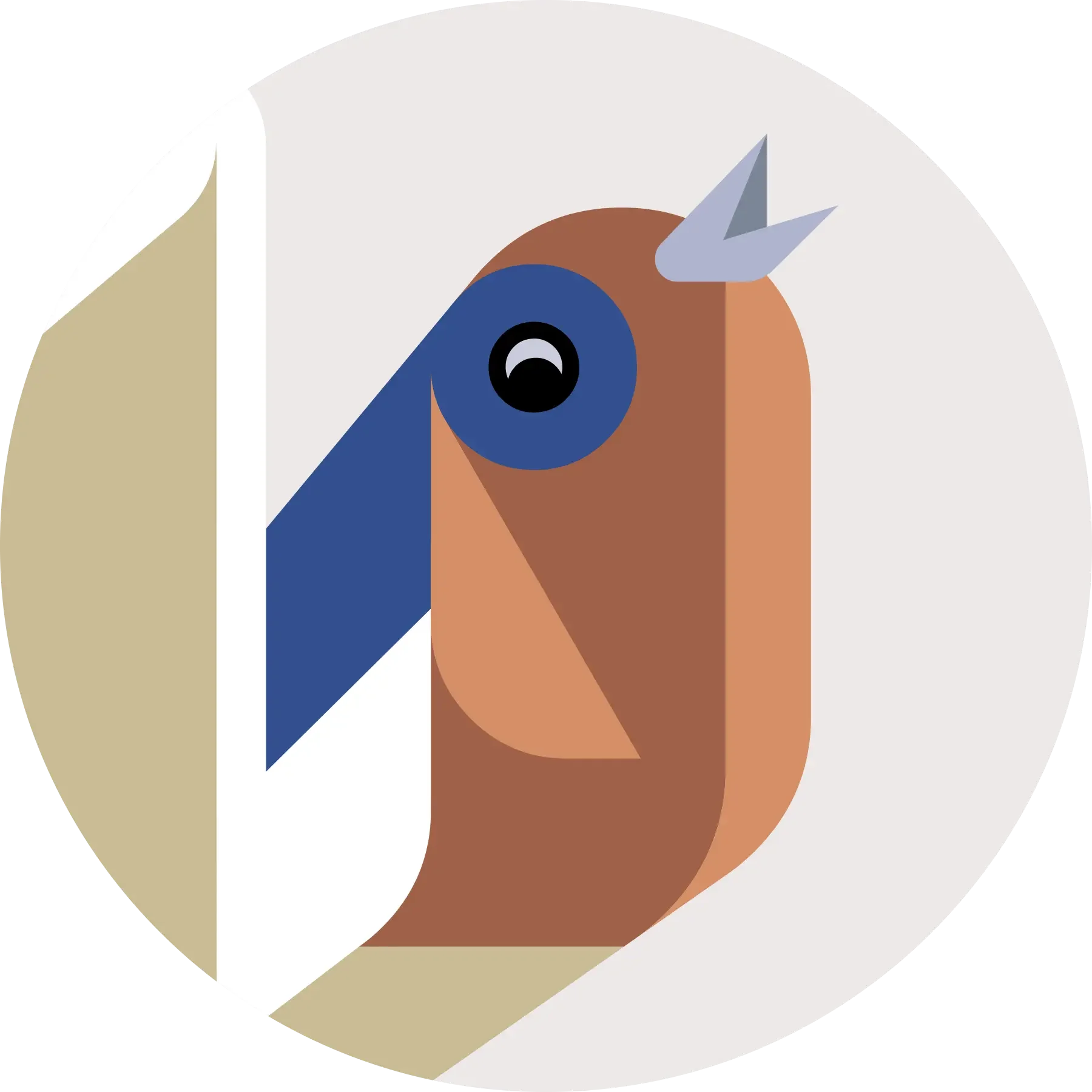
Blue Jays have an extensive vocal repertoire. Their most common call is a loud "jeer-jeer-jeer" or "jay-jay"—the vocalization featured on this artwork as "Twirl-er!" They also produce musical "too-loo" notes, rattles, clicks, and impressively accurate imitations of hawk calls, particularly Red-shouldered and Red-tailed Hawks. These mimicked calls may serve to warn other jays of danger or to scare competitors away from food sources.
Collection
-
The Flora Fauna Collection began in 2007 as an ongoing visual study of wildlife from around the world. Each piece captures both the essential form of a species and the unique character it embodies—celebrating natural beauty while revealing what makes each animal distinct.
-
Featured in British Vanity Fair, IDN Magazine, Dwell, Apartment Therapy, Design Milk, and Complex. The collection appeals to wildlife enthusiasts, design-focused collectors, and those who find personal meaning in the animals they choose to live with.
-
Designed for modular display and gradual collecting. These prints work individually as accent pieces or grouped to create personal galleries. Build a collection by region, habitat, aesthetic preference, or personal connection.
Recommended
Ideal for creative workspaces and collaboration areas where bold thinking and clear communication matter.
Works well as a standalone statement piece or paired with other woodland bird prints in dynamic arrangements.
Complements bold accent colors, natural wood, and modern interiors that celebrate vibrant energy.
Featured

Shipping
-
Your print is made to order and ships from the closest production location to you, helping reduce delivery time and the chance of customs delays. Facilities are located across the U.S., Canada, Mexico, Brazil, Europe, the U.K., Australia, and Japan. Most orders ship from within the same region they’re delivered to.
If your country requires VAT (such as the U.K. or EU), it’s collected at checkout. U.S. customers are not charged VAT.
-
Production
2–5 business days for production fulfillment
Shipping
Estimated delivery (after production):
US: 3–8 business days
Canada / Europe / Australia: 5–12 business days
Other international locations: Timing varies by region based on local carriersThese are estimates and not guarantees — delivery times may vary during high-demand seasons
-
VAT
For many international destinations (including the UK and EU), VAT is collected at checkout and included in your order total. This helps reduce unexpected charges on delivery.Customs Duties & Import Taxes
Some countries may still apply additional import charges, depending on:Local regulations
The value of your order
Whether your country applies duties to printed goods or framed products
These fees, if applied, are the responsibility of the recipient and are not included in the product or shipping cost.
-
Tariff rules vary by country and sometimes change year-to-year. Depending on your region, you may see customs tariffs on certain manufactured goods. When possible, your order ships from a regional facility to help minimize or avoid tariff costs.
-
The holiday season brings significantly increased demand across all shipping carriers. This can affect both production and transit times.
Here’s what you need to know:
Order earlier than usual to ensure holiday delivery.
Carriers may apply seasonal surcharges and experience longer processing times.
Delivery estimates are not guaranteed during peak holiday periods.
Orders placed in late December may arrive after the holiday, depending on your region.
Instead of strict cutoff dates (which vary globally and change year-to-year), the safest window is:
For December gift-giving, place orders as early in November as possible.