Image 1 of 4
 Image 2 of 4
 Image 3 of 4
 Image 4 of 4
Artwork
-
Open edition: Museum-quality giclée print on matte fine art paper (acid-free). Vibrant, long-lasting archival inks. Artist’s digitally printed signature.
-
5×7” (13×18 cm) — 8×10” (20×25 cm)
8×10” (20×25 cm) — 12×16” (30×41 cm)
12×17” (30×43 cm) — 16×20” (41×51 cm)
16×20” (41×51 cm) — 18×24” (46×61 cm)
20×30” (51×76 cm) — 24×36” (61×91 cm)
-
Frame not included. Print includes a white border for flexible framing options.
Fits Standard Frames
Works with most stock frames (slight adjustment may be needed)
Border allows trimming to fit your frame perfectly
Edge-to-edge fit with many matted frames
Border Benefits
Extra paper for mounting tabs
Accommodates wider or taller matte windows
Shows clean paper edge instead of print edge for a polished look
Pro Tip: For a perfect fit, pair with a custom matte in your stock frame.
Symbolism
-
Thriving where conditions demand it
Atlantic Puffins nest on remote, windswept cliffs and hunt in the North Atlantic's coldest waters—environments that would defeat less adaptable species. They dive to 200 feet, withstand ocean storms, and return each year to the same impossible perches. For those navigating difficult terrain, this represents the principle that thriving isn't about perfect conditions—it's about meeting challenges with flexibility and determination.
-
Bonds that endure across seasons
Puffins mate for life, reuniting each spring at the same burrow after months apart at sea. Both parents share equally in raising their single chick—taking turns hunting, protecting, and feeding. This represents commitment that doesn't require constant proximity, and collaboration built on trust rather than obligation.
-
Finding solutions beyond the obvious
Puffins carry multiple fish crosswise in their specialized beaks—up to a dozen at once—a solution that allows them to make fewer trips and feed chicks more efficiently. They use tools, dropping rocks to expand burrows, and adapt their diving techniques to changing fish populations. For those solving complex problems, this represents the ability to find creative approaches when conventional methods fall short.
Fauna
-
Atlantic Puffins inhabit the North Atlantic, breeding on coastal cliffs and islands from Maine to Iceland, Britain to Norway. They nest in colonies that can number tens of thousands, requiring rocky terrain with soil deep enough for burrow excavation. Outside breeding season, they live entirely at sea, often hundreds of miles from land, returning to the same nesting sites with remarkable precision each spring.
-
Common Name: Atlantic Puffin
Scientific Name: Fratercula arctica
Length: 10-12 inches (25-30 cm)
Weight: 13-20 ounces (370-570 grams)
Wingspan: 20-24 inches (50-60 cm)
Sexual Dimorphism: Males are slightly larger than females, but plumage is identical between sexes
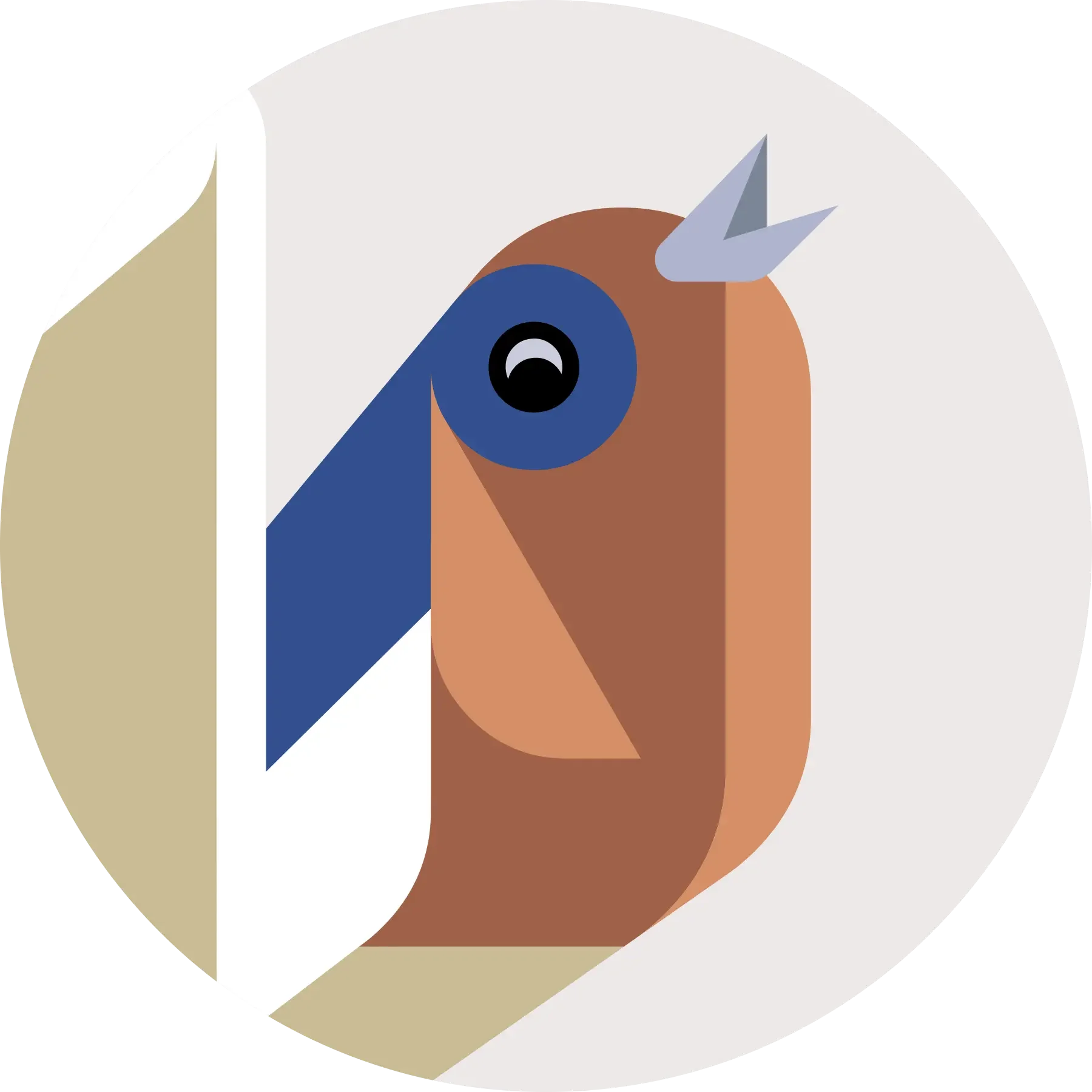
Coloration: Black upperparts and white underparts with a distinctive white face. During breeding season, the large triangular beak becomes bright orange with yellow and gray markings. Orange webbed feet. In winter, facial feathers darken and beak plates molt, revealing a smaller, duller bill underneath
Distinctive Features: Large, colorful triangular beak during breeding season; compact, muscular body built for diving; specialized tongue and spiny palate for holding multiple fish; orange webbed feet that serve as rudders underwater and brakes when landing -
Puffins are pursuit divers, using their wings to "fly" underwater while hunting small fish like sand eels, herring, and capelin. They can remain submerged for up to a minute and typically hunt at depths of 60-100 feet, though dives to 200 feet have been recorded. Their specialized tongue and spiny palate allow them to hold multiple fish while continuing to hunt.
Breeding pairs reunite annually at their burrow, which they dig up to three feet deep using their beaks and webbed feet as excavators. Some pairs have used the same burrow for decades. Both parents incubate the single egg for 36-45 days and feed the chick for about 45 days before it fledges.
Atlantic Puffins are relatively quiet birds, vocalizing primarily within their burrows. Their most common call is a low, growling "arrr" or "arr-uh" sound—the call featured on this artwork. They also produce soft grunting and groaning sounds during courtship and territorial interactions. At sea, they remain mostly silent.
Collection
-
The Flora Fauna Collection began in 2007 as an ongoing visual study of wildlife from around the world. Each piece captures both the essential form of a species and the unique character it embodies—celebrating natural beauty while revealing what makes each animal distinct.
-
Featured in British Vanity Fair, IDN Magazine, Dwell, Apartment Therapy, Design Milk, and Complex. The collection appeals to wildlife enthusiasts, design-focused collectors, and those who find personal meaning in the animals they choose to live with.
-
Designed for modular display and gradual collecting. These prints work individually as accent pieces or grouped to create personal galleries. Build a collection by region, habitat, aesthetic preference, or personal connection.
Recommended
Ideal for living spaces and entryways where both connection and independence matter—places where people gather but also retreat.
Works well grouped with other Flora Fauna seabirds or displayed alongside coastal-themed prints in horizontal or asymmetric arrangements.
Complements natural fibers, cool grays, coastal palettes, and Scandinavian-inspired interiors.
Shipping
-
Your print is made to order and ships from the closest production location to you, helping reduce delivery time and the chance of customs delays. Facilities are located across the U.S., Canada, Mexico, Brazil, Europe, the U.K., Australia, and Japan. Most orders ship from within the same region they’re delivered to.
If your country requires VAT (such as the U.K. or EU), it’s collected at checkout. U.S. customers are not charged VAT.
-
Production
2–5 business days for production fulfillment
Shipping
Estimated delivery (after production):
US: 3–8 business days
Canada / Europe / Australia: 5–12 business days
Other international locations: Timing varies by region based on local carriersThese are estimates and not guarantees — delivery times may vary during high-demand seasons
-
VAT
For many international destinations (including the UK and EU), VAT is collected at checkout and included in your order total. This helps reduce unexpected charges on delivery.Customs Duties & Import Taxes
Some countries may still apply additional import charges, depending on:Local regulations
The value of your order
Whether your country applies duties to printed goods or framed products
These fees, if applied, are the responsibility of the recipient and are not included in the product or shipping cost.
-
Tariff rules vary by country and sometimes change year-to-year. Depending on your region, you may see customs tariffs on certain manufactured goods. When possible, your order ships from a regional facility to help minimize or avoid tariff costs.
-
The holiday season brings significantly increased demand across all shipping carriers. This can affect both production and transit times.
Here’s what you need to know:
Order earlier than usual to ensure holiday delivery.
Carriers may apply seasonal surcharges and experience longer processing times.
Delivery estimates are not guaranteed during peak holiday periods.
Orders placed in late December may arrive after the holiday, depending on your region.
Instead of strict cutoff dates (which vary globally and change year-to-year), the safest window is:
For December gift-giving, place orders as early in November as possible.